Specification
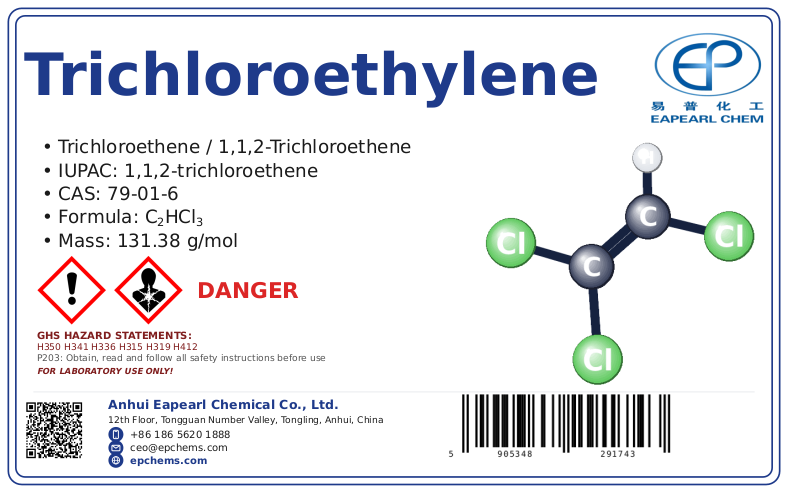
| Product Name | Trichloroethylene |
|---|---|
| Other Names | TCF |
| CAS No. | 79-01-6 |
| EINECS No. | 201-167-4 |
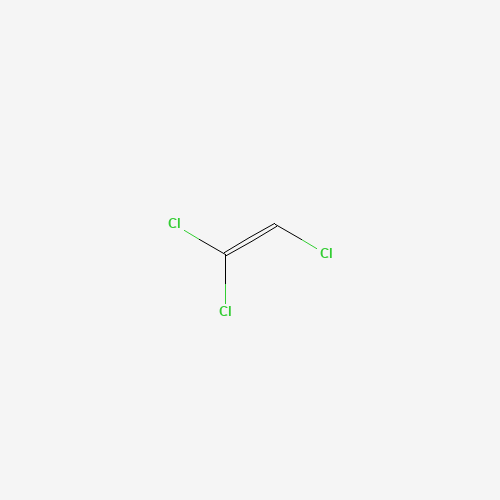
| MF | C2HCl3 |
| Molecular weight | 131.39 |
| Purity | 99.5% |
| Appearance | colorless clear liquid |
| Density | 1.50 g/cm³ |
| Melting point | -87.1 °C |
| Boiling point | 87.1 °C |
| Flashing point | 32.2 °C |
Values are typical for the standard grade. Tighter specifications are available — state the target in your inquiry and we confirm against the production batch.
Hazard classification


- H350 May cause cancer
- H341 Suspected of causing genetic defects
- H336 May cause drowsiness or dizziness
- H315 Causes skin irritation
- H319 Causes serious eye irritation
- H412 Harmful to aquatic life with long lasting effects
Precautionary statements (27)
- P203 Obtain, read and follow all safety instructions before use
- P261 Avoid breathing dust/fume/gas/mist/vapours/spray
- P264 Wash thoroughly after handling
- P264+P265
- P271 Use only outdoors or in a well-ventilated area
- P273 Avoid release to the environment
- P280 Wear protective gloves/protective clothing/eye protection/face protection
- P302+P352
- P304+P340
- P305+P351+P338
- P318
- P319
- P321 Specific treatment
- P332+P317
- P337+P317
- P362+P364
- P403+P233
- P405 Store locked up
- P501 Dispose of contents/container to an approved waste collection point
- P272 Contaminated work clothing should not be allowed out of the workplace
- P333+P317
- P260 Do not breathe dust/fume/gas/mist/vapours/spray
- P270 Do not eat, drink or smoke when using this product
- P308+P316
- P317
- P301+P316
- P331 Do NOT induce vomiting
European Chemicals Agency. "trichloroethylene; trichloroethene, Index No. 602-027-00-9." In Table 3 of Annex VI to Regulation (EC) No 1272/2008 (CLP Regulation), 23rd Adaptation to Technical Progress (harmonised list as of 2026-07-07). Helsinki: European Chemicals Agency, 2026. https://echa.europa.eu/information-on-chemicals/annex-vi-to-clp.
Packaging and shipping
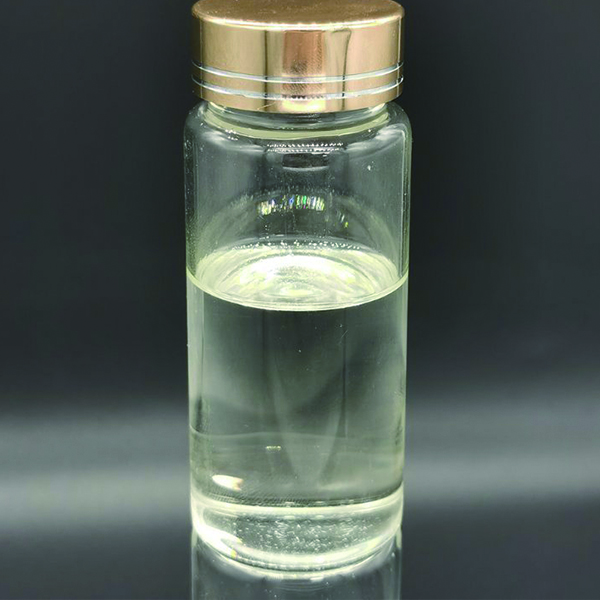
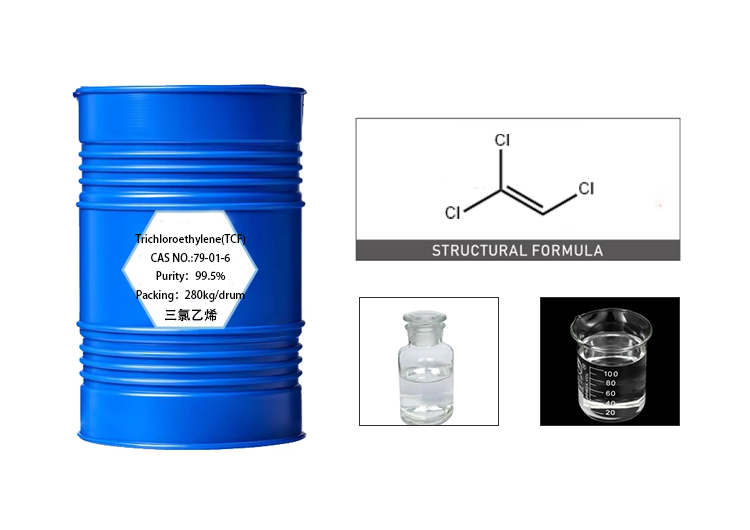
Trichloroethylene (TCE), with the chemical formula C₂HCl₃, is a colorless, transparent, volatile organic chlorinated hydrocarbon liquid with a sweet taste similar to chloroform. The trichloroethylene products provided by Anhui Yipu Chemical are strictly controlled in terms of purity. Their core characteristic lies in their extremely strong solubility for organic substances such as oils, resins, and waxes, and their moderate boiling point (approximately 87°C), resulting in very low residue after evaporation. Historically, it was widely used in dry cleaning, metal degreasing, and electronic cleaning, but due to its clear carcinogenicity and environmental persistence, its application scope is being strictly restricted and it is accelerating the transition to safer and more environmentally friendly alternatives.
Product Description
Anhui Eapearl Chemical Co., Ltd., as a professional chemical supplier in China, deeply understands the significant role of trichloroethylene (TCE) as an efficient industrial solvent and a key chemical intermediate in specific industrial fields. At the same time, we are fully aware that trichloroethylene is internationally recognized as a type 1 carcinogen, and its production, sales, use, and disposal are subject to increasingly strict regulations from both domestic and international sources. We solemnly promise to strictly abide by all relevant laws and regulations, only providing high-quality products for compliant and safe industrial uses, and placing safety, health, environmental protection, and full lifecycle compliance management at the forefront of all business activities.
Trichloroethylene (Trichloroethylene, abbreviated as TCE), with the chemical formula C₂HCl₃, is a colorless transparent, volatile, and chloroform-like organic chlorinated hydrocarbon liquid. The trichloroethylene products provided by Anhui Yipu Chemical are strictly controlled in purity. Its core characteristic lies in its extremely strong solubility for organic substances such as oils, resins, and waxes, and its moderate boiling point (approximately 87°C), resulting in very low residual after evaporation. Historically, it was widely used in dry cleaning, metal degreasing, and electronic cleaning, but due to its clear carcinogenicity and environmental persistence, its application scope is being strictly restricted and accelerating its transition to safer and more environmentally friendly alternatives.
The core value of trichloroethylene lies in its powerful degreasing ability and its irreplaceable nature as a specific chemical intermediate. However, its use must be carried out under the condition of a comprehensive risk assessment and the implementation of the highest level of protective measures.
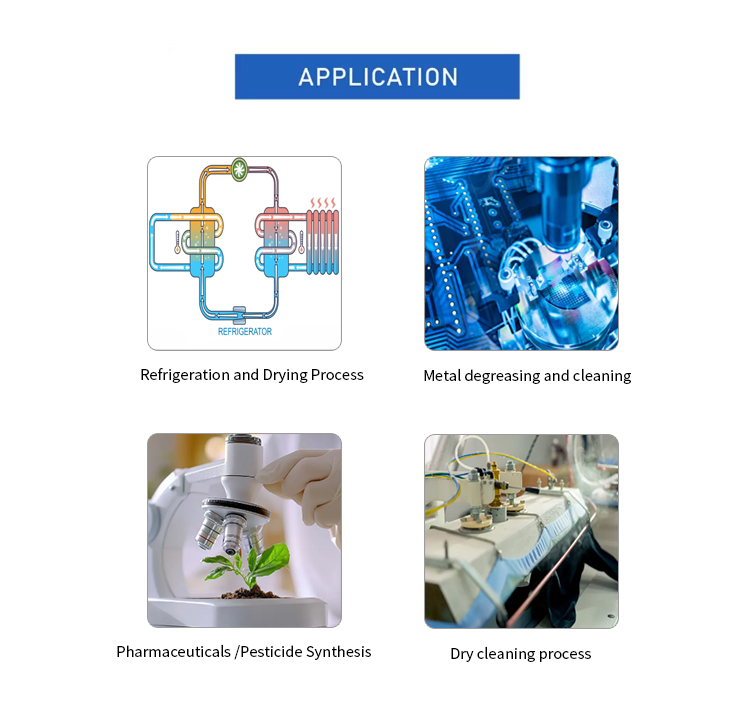
Efficient degreasing and cleaning of metal components (traditional core application): Due to its excellent solubility in cutting oils, anti-rust oils, stamping oils, etc., it was widely used for the pre-treatment of metal components in the automotive, aerospace, and precision machinery industries before electroplating, spraying, or welding. Currently, this field is accelerating the transition to water-based or low-toxic solvent alternatives.
Precise cleaning of electronic components (high-end application, requiring extremely high purity): Used to clean the residual flux on printed circuit boards (PCBs) and the surfaces of semiconductor chips, requiring extremely high product purity (typically ≥ 99.5%). Due to environmental protection and health risks, this application is being strictly restricted and replaced.
Chemical synthesis intermediates: As an important raw material for producing tetrachloroethylene (dry cleaning solvent), chloroacetic acid, HFC-134a (refrigerant), and other chemicals. Other restricted applications: It was once used as a dry cleaning solvent, extraction agent, etc., but has now largely been phased out.
Delivery&Payment method

Frequently asked
In what packaging is Trichloroethylene shipped?
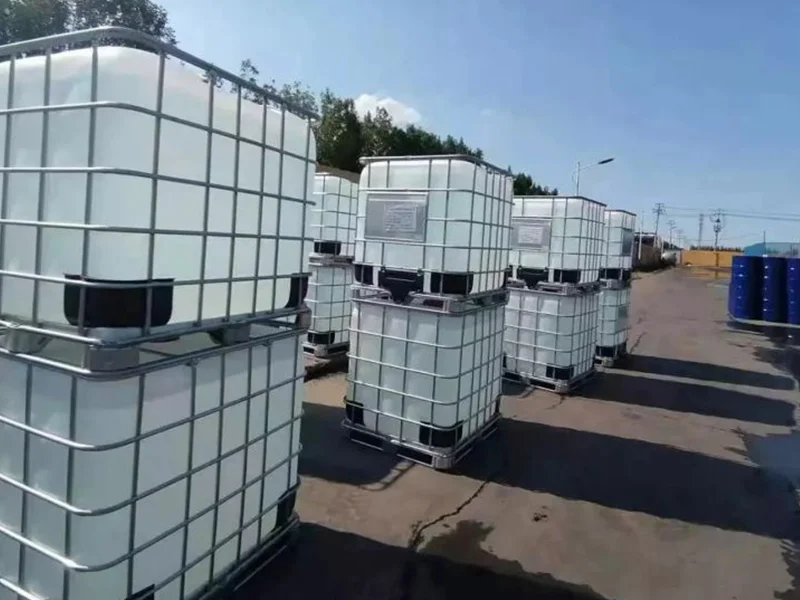
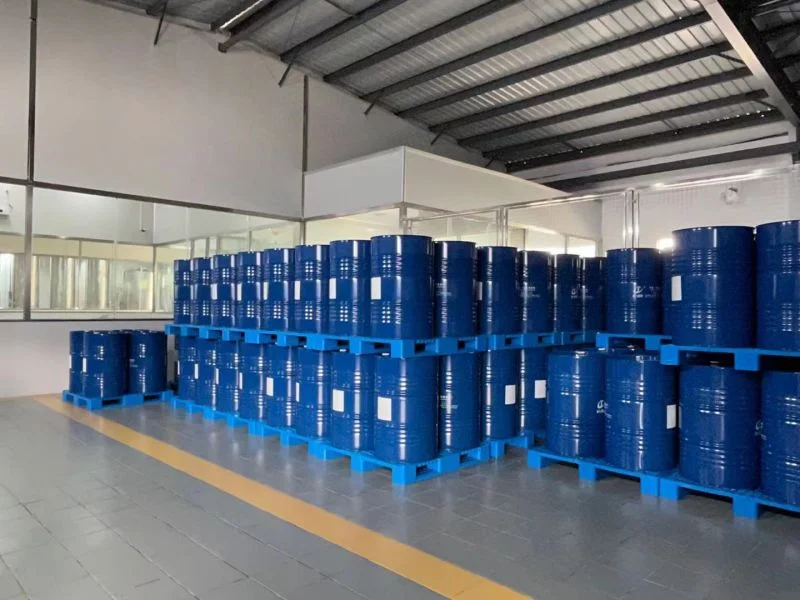
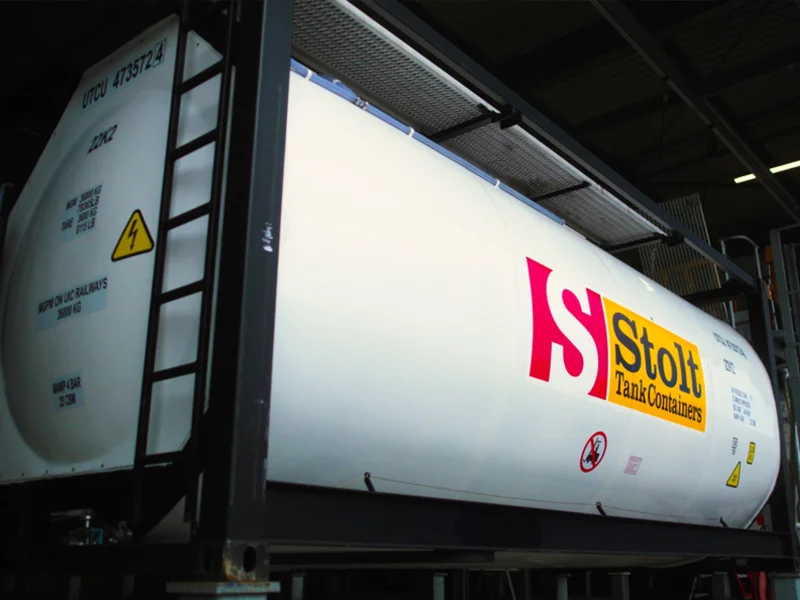
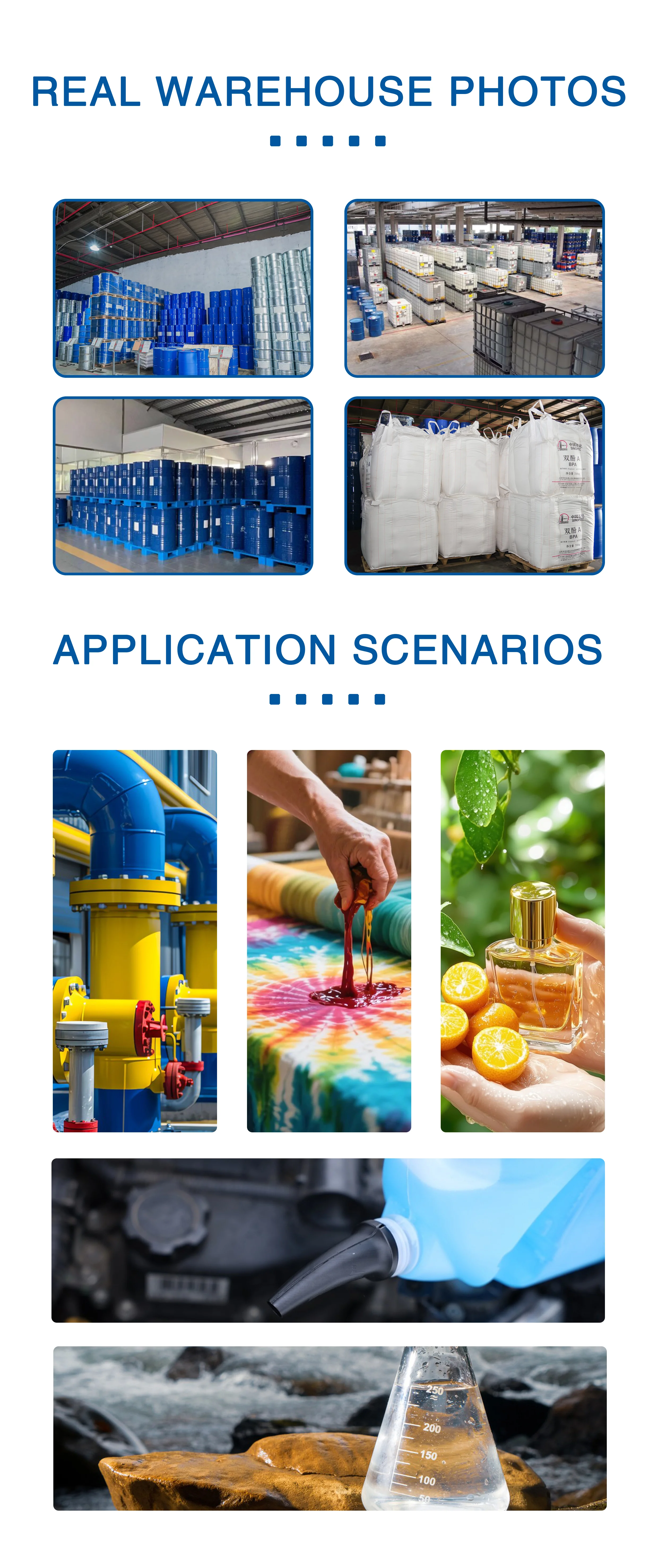
Standard formats are Drum (270 kg), IBC Drum (1127 kg), ISO tank (20ft) (24–26 m³), ISO tank (40ft) (48–50 m³). Other packaging can be arranged for full-container orders.
Is a safety data sheet available for Trichloroethylene?
Yes, on request. Safety data sheets are issued per grade and destination market; state the country of import in your inquiry.
What purity do you supply?
The standard grade is 99.5%. Tighter specifications are confirmed against the production batch before shipment.
Technical reading on Trichloroethylene
Polypropylene glycol: grades, properties and uses
PPG is a family of polyether polyols rather than one substance, and the grade code carries the information…
DBAC in baked coatings: flash-off, popping and residue
A high-boiling ester-ether behaves differently in an oven than on a drying rack; the oven is where its…