
Supply solutions
Four ways to buy from us. Which one fits depends less on volume than on how much of the paperwork and the risk you want to keep on your side.
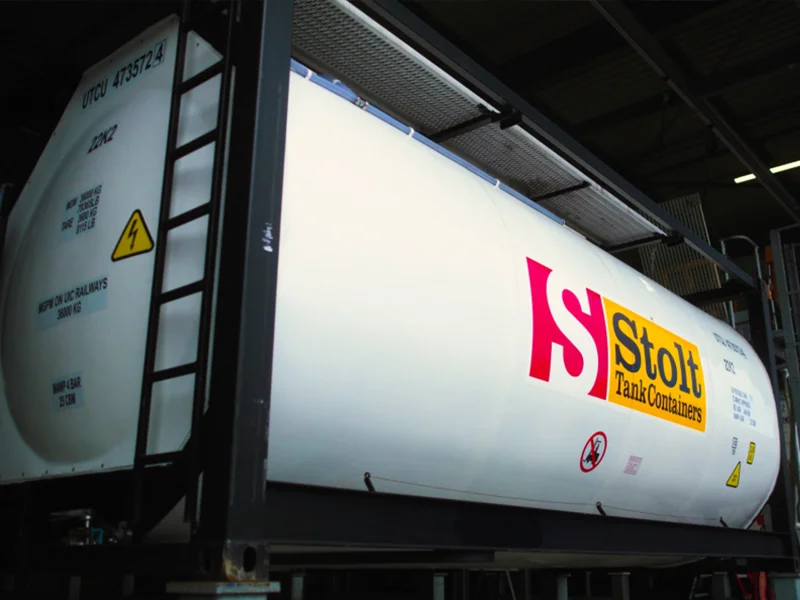
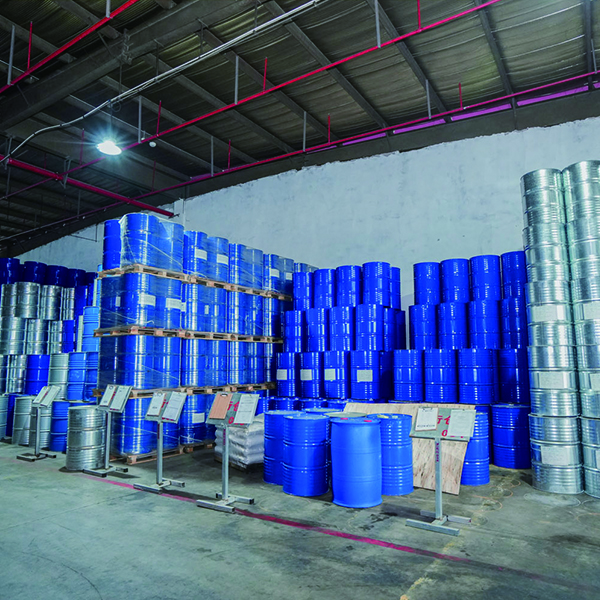
1. Spot purchase
One grade, one shipment, a price that holds for a stated number of days. You send the specification, the destination and the intended use; you get back a price, a lead time, the packaging we actually hold and the document set that travels with the goods. No framework agreement, no minimum annual volume.
Fits when you are covering a gap, qualifying a second source, or buying a material you use twice a year.
2. Contract supply
An agreed specification, an agreed price mechanism and scheduled releases against a forecast. We hold the grade to the specification we signed, not to a typical analysis — and the certificate of analysis for every batch is checked against that document before the container leaves.
Fits when the material goes into a registered formulation, or when a failed incoming inspection stops your line rather than costing you a delivery.
3. Mixed container
Several grades in one shipment, consolidated at our warehouse. A twenty-foot container carrying four products costs materially less per kilogram than four LCL shipments, and it arrives once, with one set of documents and one customs entry.
Fits when you buy a range of solvents in drum quantities and your freight bill is bigger than your price difference between suppliers.
4. Controlled and precursor grades
This is the part of the market most traders step around, and it is the reason a large share of our customers found us. Acetone, acetic anhydride, toluene, hydrochloric acid, MEK, sodium cyanide and related grades are regulated as drug or explosives precursors in most destinations. We are licensed to export them and we treat the licence as the first step of the sale, not the last.
What that means in practice: you tell us the receiving legal entity, the end use and the destination; we check what that country requires; we confirm in writing whether the shipment can be made and under which documents. If it cannot, you hear that at the inquiry stage rather than after a deposit.
Fits when your usual supplier has just told you the product is “not available for export”.
What we need from you
An inquiry that can be answered in one message contains five things. Anything less and we come back with questions instead of a price.
| Product and grade | Name or CAS number, and the grade — industrial, food, pharmaceutical, battery |
|---|---|
| Quantity and packaging | Tonnes per shipment and per year, and whether you unload drums, totes or a tank |
| Destination | Port or plant, and the receiving legal entity for regulated grades |
| Intended end use | What the material does in your process — this decides the grade, and for controlled products it decides whether we can quote at all |
| Incoterm | FOB, CIF or CFR; EXW on request |
What you get back
- A price with a validity date, not an indication.
- A lead time that accounts for licence verification where one is needed.
- The specification we will ship against, in writing, before you order.
- The document list: certificate of analysis, safety data sheet, certificate of origin, export licence — whichever the shipment actually requires.
- A named person who stays with the account. Not a shared inbox.
Where we will say no
We would rather lose an order than create a problem at your border. We decline when the destination licence cannot be verified, when the end use stated does not match the grade requested, and when a customer asks for a specification we cannot reproduce on a production batch. Saying so early is cheaper for both sides than saying so after shipment.