
Logistics & packaging
Packaging determines freight cost, handling at the receiving plant and, for regulated products, what the transport documents have to say. The format for every product is published on its own page; below is the general picture.
Standard formats
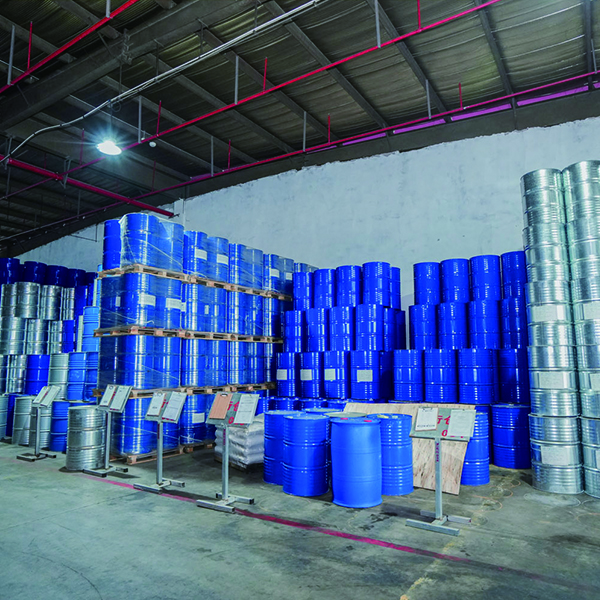
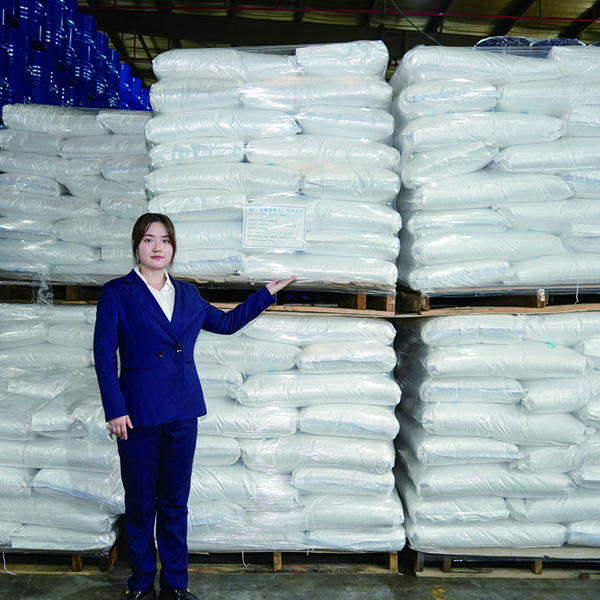
| Drum | Typically 170–225 kg net for liquids; 25 kg bags or fibre drums for solids |
|---|---|
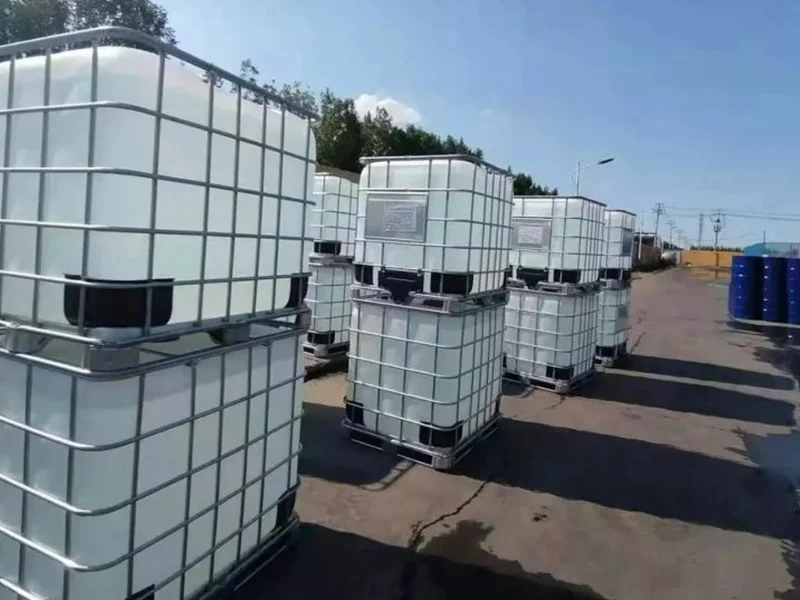
| IBC tote | Typically 800–1127 kg net, depending on product density |
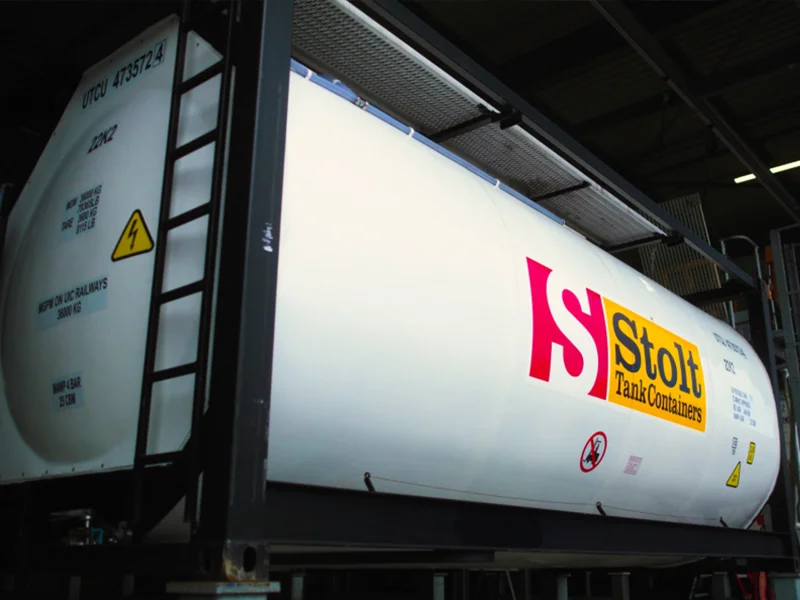
| ISO tank, 20 ft | Approximately 18–26 m³, product dependent |
| ISO tank, 40 ft | Approximately 36–50 m³, product dependent |
Exact net weights per product are stated on each product page, because they differ with density and with the packaging we hold for that grade.
What the catalogue actually ships in
Counted across the 149 published products that carry packaging data — not a general claim, the figure from our own catalogue:
- 95 products can be shipped in ISO tank containers (20 ft and 40 ft)
- 81 in steel or plastic drums
- 96 in IBC totes
- 15 in bags, for solid grades
Most liquids are available in all three liquid formats; the choice is usually driven by your unloading equipment and by the freight difference between a full tank and palletised drums.
Shipping
- Export from Chinese sea ports; the loading port is confirmed with the quotation.
- Dangerous-goods classification, UN number and packing group are taken from the safety data sheet for the grade being shipped.
- Documents issued with the shipment: commercial invoice, packing list, bill of lading, certificate of analysis, safety data sheet, and where applicable the export licence and certificate of origin.
Dangerous goods
94 of our 149 published grades carry a GHS classification, 55 of them with the signal word Danger. For those, the UN number, class and packing group on the transport documents are taken from the safety data sheet of the grade actually shipped — not from a similar product, and not from a previous shipment of a different grade.
Incoterms and ports
| Usual terms | FOB, CIF and CFR from Chinese sea ports; EXW on request |
|---|---|
| Loading ports | Confirmed with the quotation; driven by the grade and the packaging |
| Documents | Commercial invoice, packing list, bill of lading, certificate of analysis, safety data sheet; plus export licence and certificate of origin where applicable |
| Controlled grades | Shipped only after the destination licence or declaration is verified |
Lead time depends on the grade, the packaging and whether a licence has to be verified first. We state it in the quotation rather than publishing a number that would be wrong half the time.
What to tell us in an inquiry
A quotation that is useful to you needs five things: the product and grade, the quantity and packaging, the destination port or plant, the intended end use, and your preferred incoterm. With those we can quote a landed cost rather than a number that changes later.