Specification
| Product Name | Polyethylene glycol |
|---|---|
| Other Names | PEG |
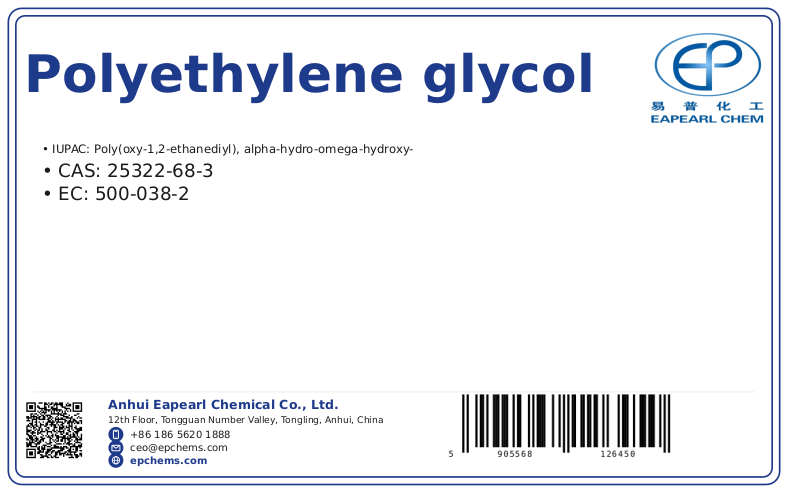
| CAS No. | 25322-68-3 |
| EINECS No. | 200-853-4 |
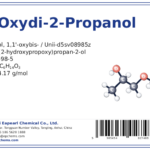
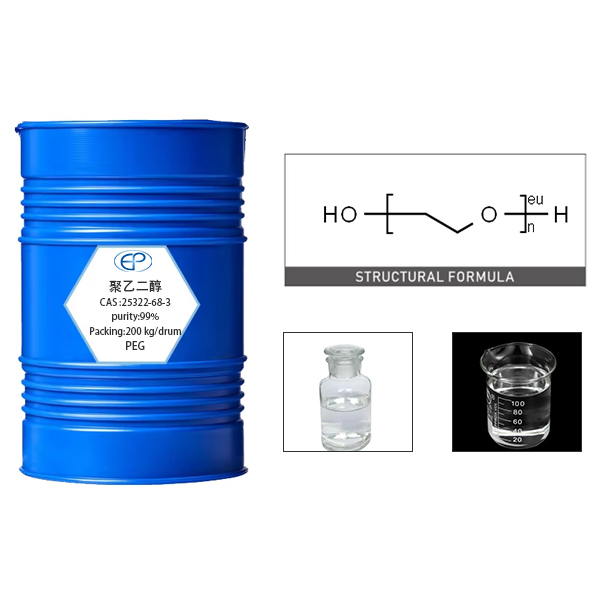
| MF | HO-(CH2CH2O)n-H |
| Molecular weight | 200-20000(customizable) |
| Purity | 99.0% |
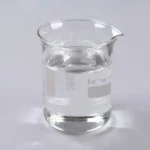
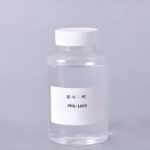
| Appearance | Colorless viscous liquid |
| Density | 1.12g/mLat 25°C (lit.) |
| Melting point | Varies by molecular weight |
| Boiling point | >250°C (lit.) |
| Flashing point | >180 °C (closed cup) |
Values are typical for the standard grade. Tighter specifications are available — state the target in your inquiry and we confirm against the production batch.
Packaging and shipping
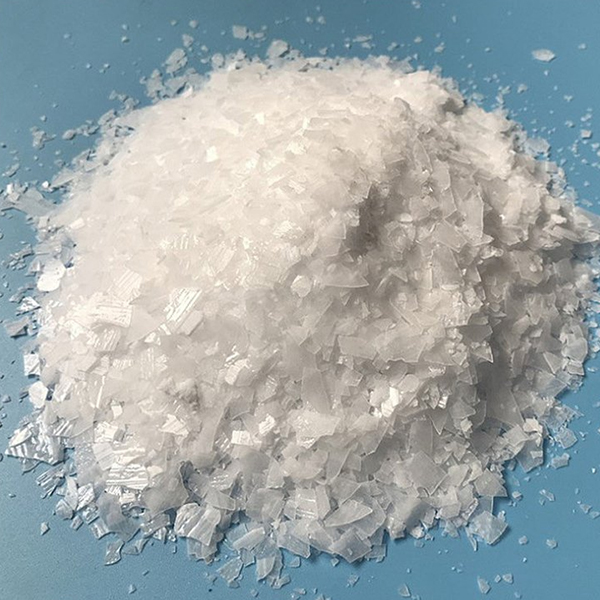
Polyethylene Glycol (PEG) is a non-toxic, colorless, water-soluble polyether compound with mild, stable properties. It can be produced in various molecular weights, appearing as a viscous liquid or a waxy solid. It has good hygroscopicity, lubricity, stability and compatibility with many resins, surfactants and pharmaceutical ingredients.
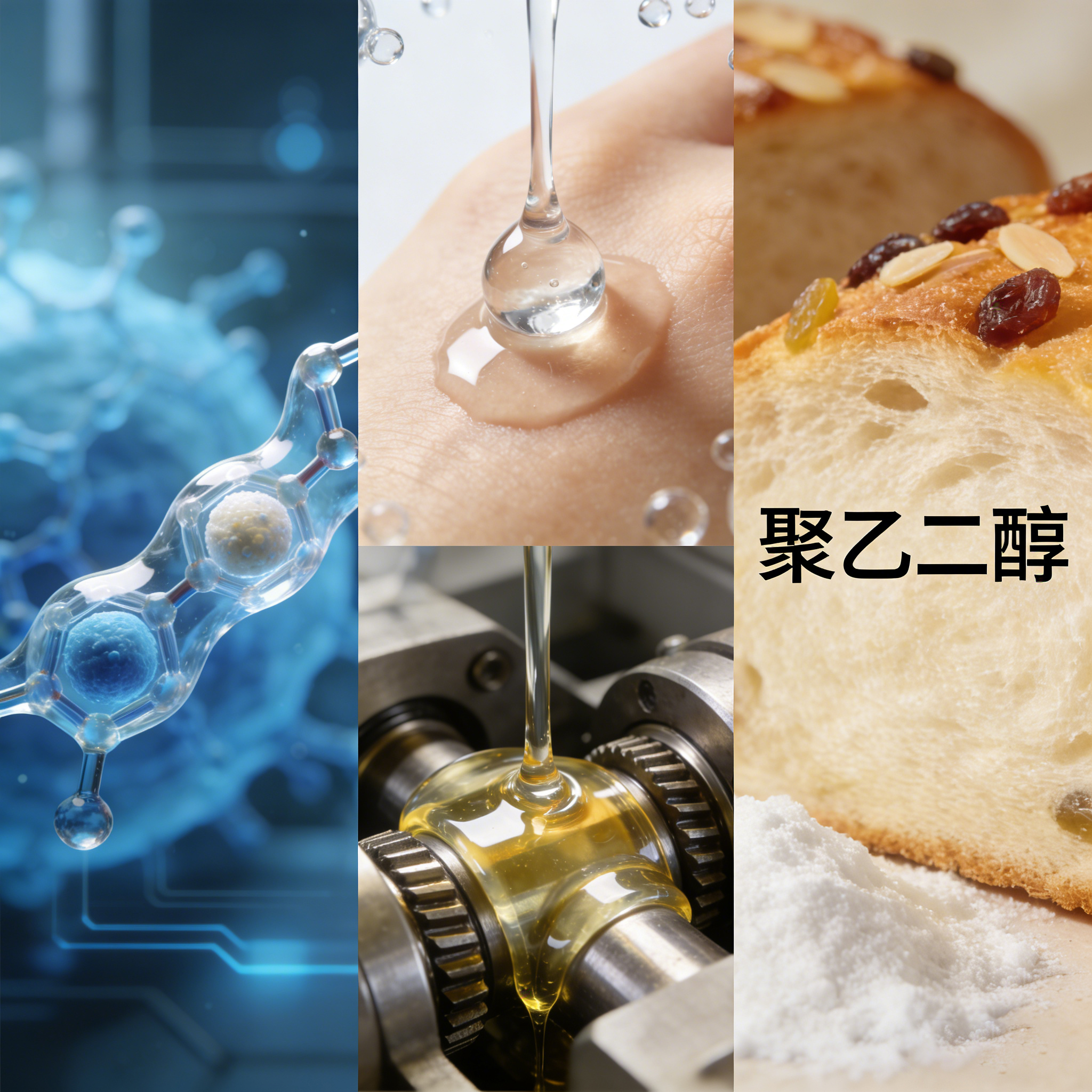
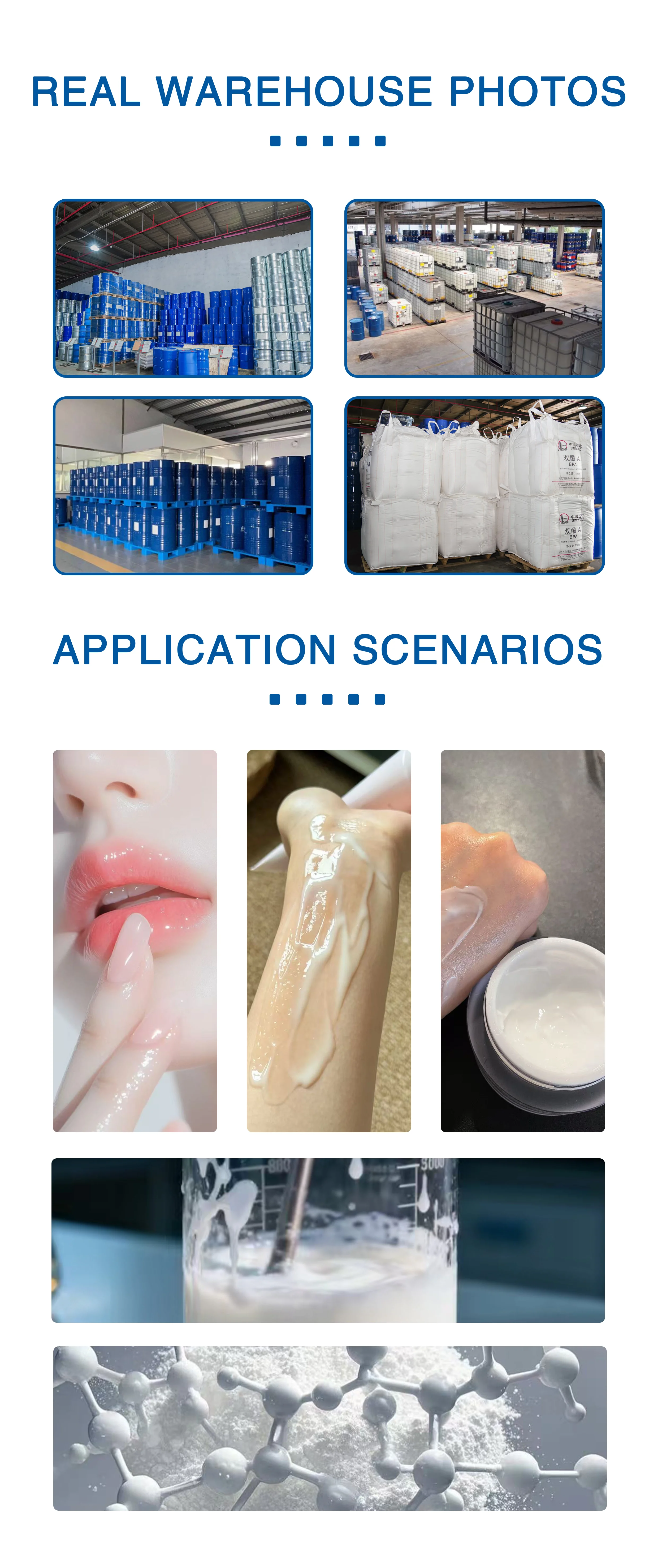
PEG is widely applied in cosmetics, pharmaceuticals, coatings, textiles and industrial processing. In personal care, it works as a humectant, emollient and dispersant to improve texture and moisturizing effect. In pharmaceuticals, it serves as a safe excipient, solvent and binder for tablets, creams and ointments. In industry, it is used as a lubricant, antistatic agent, plasticizer and grinding aid.
It is non-irritating, environmentally friendly and easy to formulate. PEG should be stored in a cool, dry and sealed area, away from strong oxidants. With high purity and stable performance, it is a widely used raw material in fine chemicals, daily chemicals and manufacturing industries worldwide.
Product Description
Polyethylene Glycol (PEG) is a high-purity, synthetic polymer synthesized from ethylene oxide and water, characterized by its exceptional water solubility and compatibility with a wide range of organic and inorganic substances.
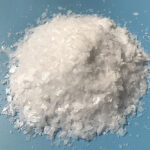
Available in various molecular weights, from liquid grades to solid flaks, PEG presents as a clear, odorless, and non-volatile substance. Its physical form can vary from a free-flowing liquid to a hard, waxy solid,
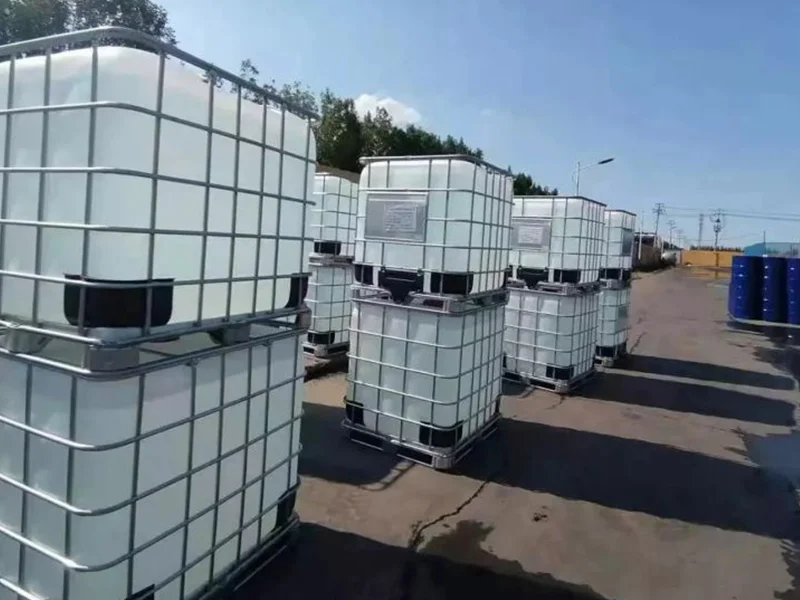
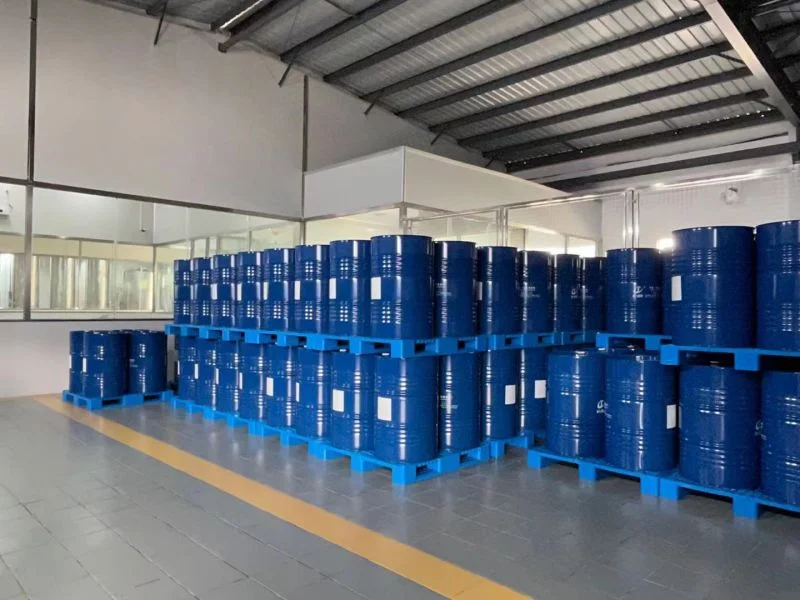
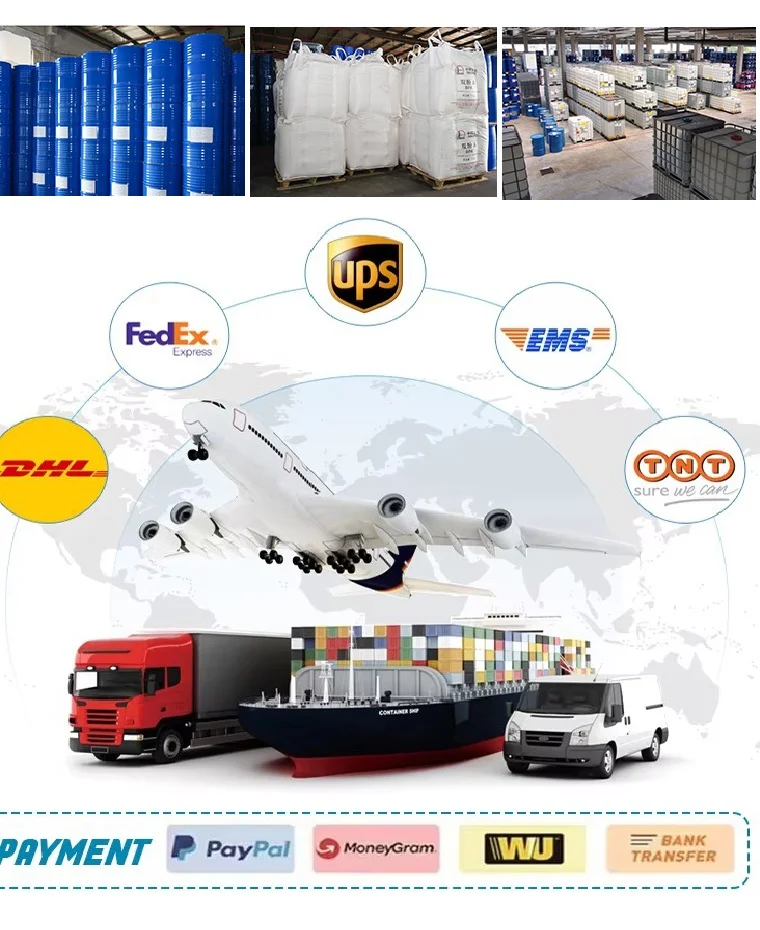
making it highly versatile for different industrial applications. Commercially, PEG is typically supplied in environmentally friendly, airtight, and moisture-proof packaging, including 25kg or 50kg woven bags for solid forms and sealed
drums for liquids. All packaging is designed to preserve its chemical stability and prevent contamination, meeting international quality standards.
PEG is widely recognized as a key ingredient in multiple sectors due to its unique properties. In the pharmaceutical industry, it serves as an excipient in tablet coatings, ointments, and suppositories, enhancing solubility and bioavailability.
In cosmetics and personal care, it acts as an emulsifier and humectant, improving texture and moisture retention in creams, lotions, and toothpaste. Furthermore, PEG plays a critical role in the chemical manufacturing process,
serving as a solvent, coupling agent, and intermediate in the production of surfactants, lubricants, and plasticizers. Its low toxicity and excellent thermal stability also make it suitable for use in food processing additives and as a laboratory reagent,
solidifying its position as an indispensable and high-value chemical product.
Delivery&Payment method
Frequently asked
In what packaging is Polyethylene glycol shipped?
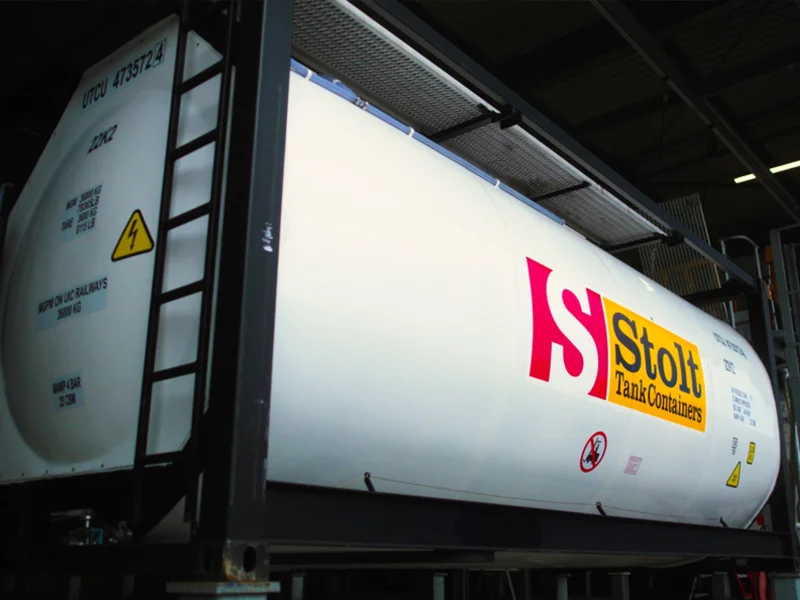
Standard formats are Drum (215 kg), IBC Drum (1127 kg), ISO tank (20ft) (24–26 m³), ISO tank (40ft) (48–50 m³). Other packaging can be arranged for full-container orders.
Is a safety data sheet available for Polyethylene glycol?
Yes. A full safety data sheet for CAS 25322-68-3 is published and linked from this page; a signed copy is issued with the shipping documents.
What purity do you supply?
The standard grade is 99.0%. Tighter specifications are confirmed against the production batch before shipment.