Specification
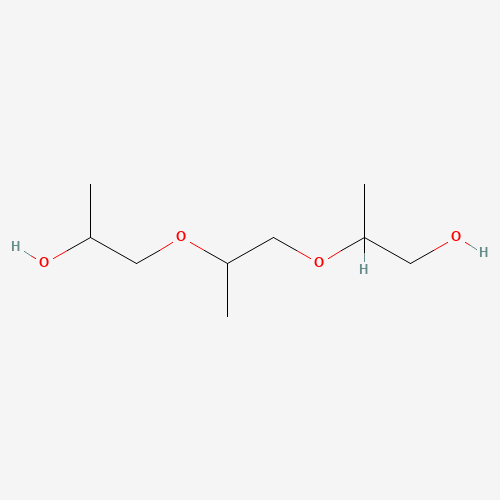
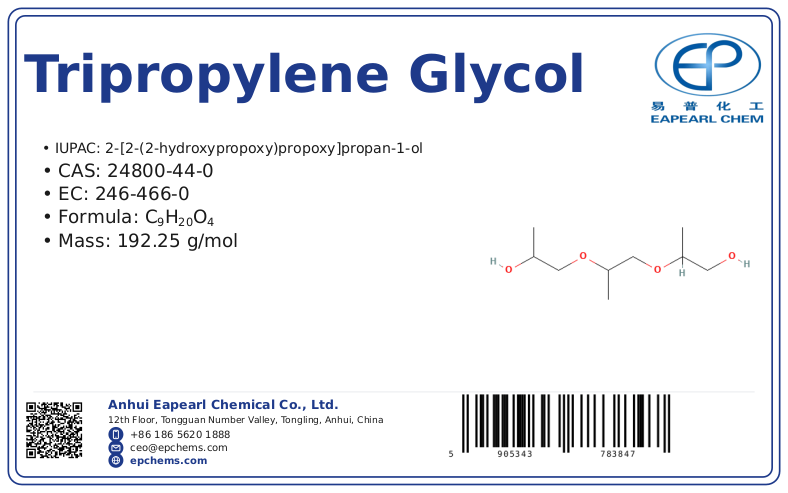
| Product Name | Tripropylene glycol |
|---|---|
| Other Names | TPG |
| CAS No. | 24800-44-0 |
| EINECS No. | 246-466-8 |
| MF | C9H20O4 |
| Molecular weight | 192.25 |
| Purity | 99.9% |
| Appearance | Colorless liquid |
| Density | 1.05-1.07 g/mL at 25 °C (lit.) |
| Melting point | -40 °C |
| Boiling point | ~280°C (760mm Hg) |
| Flashing point | ~14 0 °C |
Values are typical for the standard grade. Tighter specifications are available — state the target in your inquiry and we confirm against the production batch.
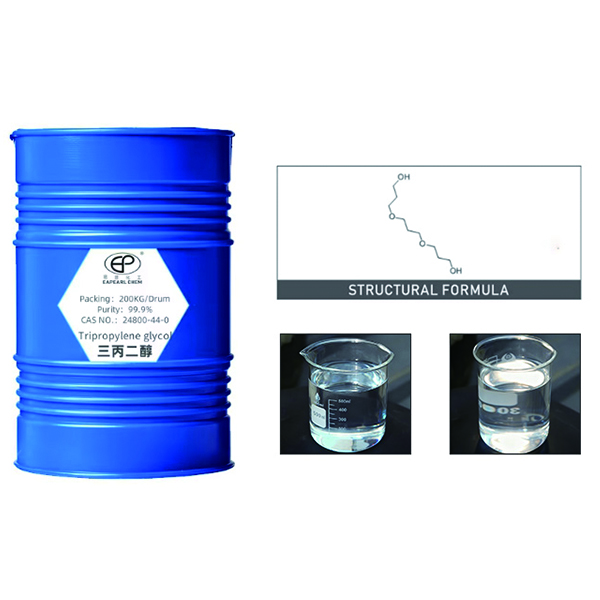
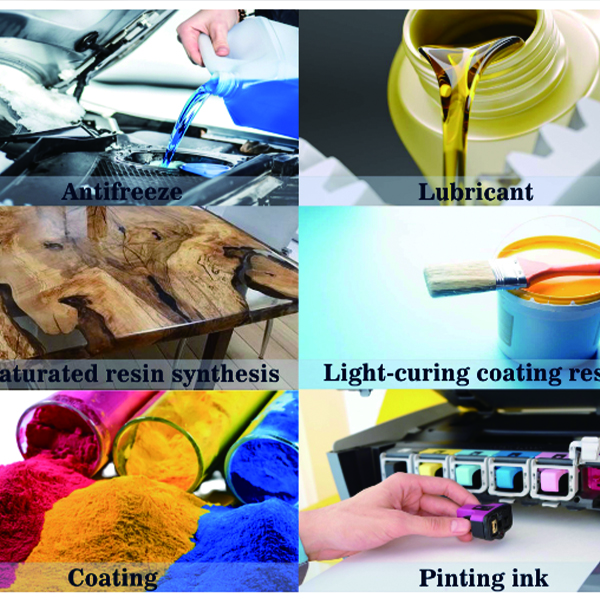
Tripropylene Glycol (TPG) is a colorless, odorless, viscous liquid with excellent hygroscopicity, stability, low volatility and low toxicity. It is fully miscible with water and most organic solvents, and is widely used as a multifunctional intermediate in coatings, cosmetics, fine chemicals, pharmaceuticals and industrial fields.
In coatings and inks, TPG acts as a coalescing agent and high-boiling solvent, which effectively
reduces the film-forming temperature, improves flexibility, gloss and construction performance. It is also an important raw material for polyurethane foam, widely used in building insulation and automotive interiors.
In cosmetics and personal care, TPG serves as a mild humectant and emollient for creams, lotions and essences, locking skin moisture without irritation. It also works as a solvent for active ingredients and fragrances to enhance product performance.
In fine chemicals and pharmaceuticals, TPG is a key intermediate for plasticizers, lubricants and textile auxiliaries, and can be used as a safe pharmaceutical excipient to improve drug solubility and bioavailability. It also functions as a lubricant and antistatic agent in industrial production.
In addition, TPG is widely used in industrial cleaning, antifreeze, heat transfer fluids and rubber processing to improve material properties and processing efficiency. With stable performance and wide applications, TPG is an indispensable high-quality chemical raw material for various industries.
Product Description
Tripropylene Glycol (TPG) is a clear, colorless, nearly odorless liquid with excellent solubility, low volatility, and high boiling point. It is miscible with water and most organic solvents, featuring moderate viscosity and good stability.
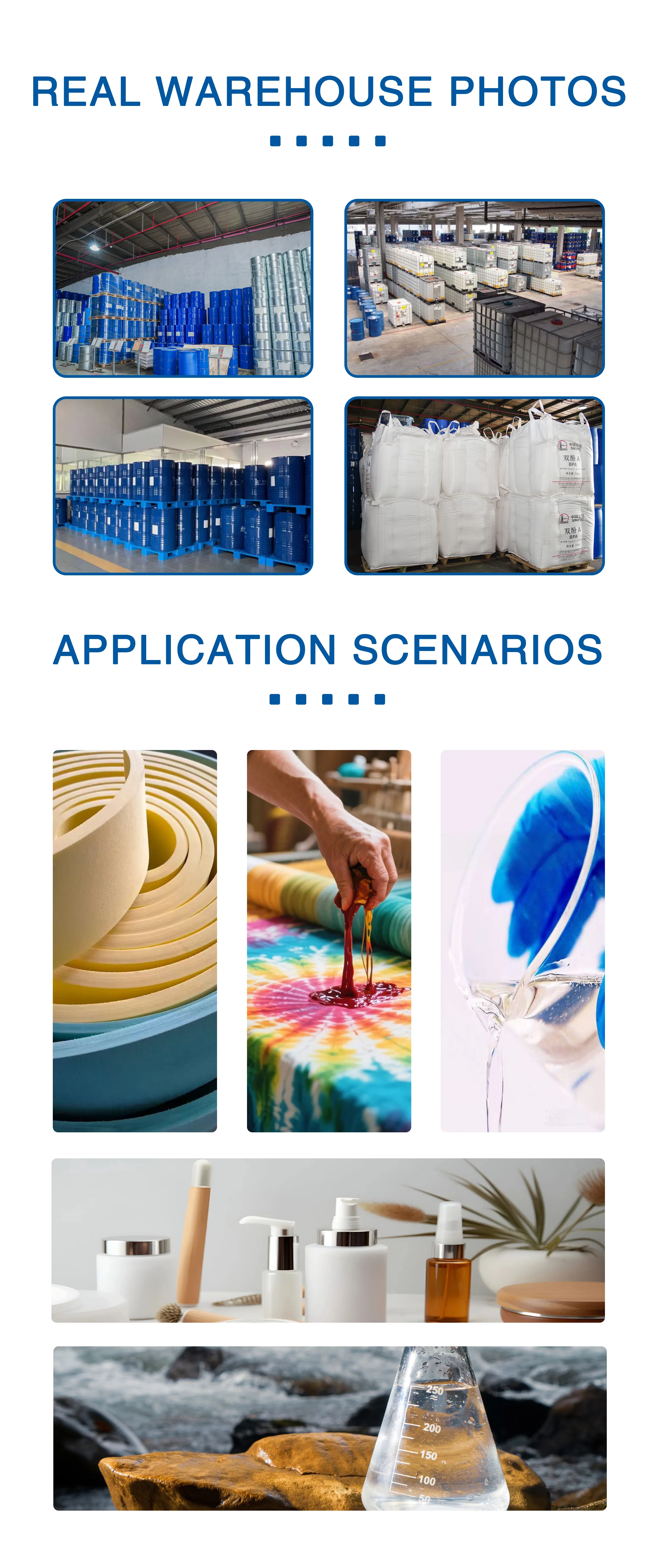
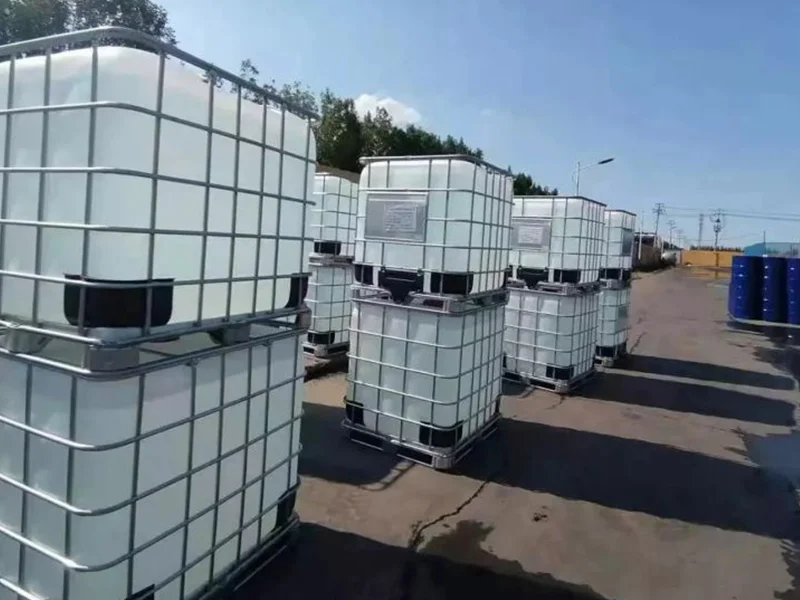
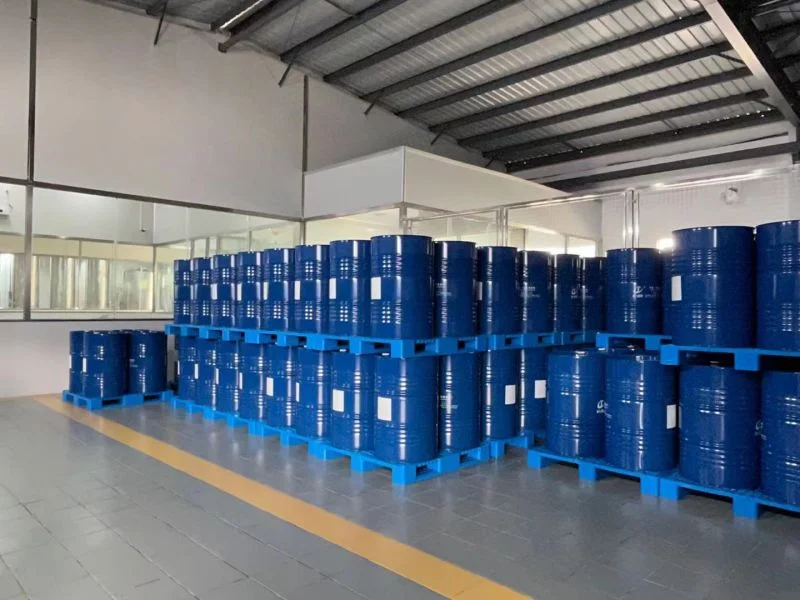
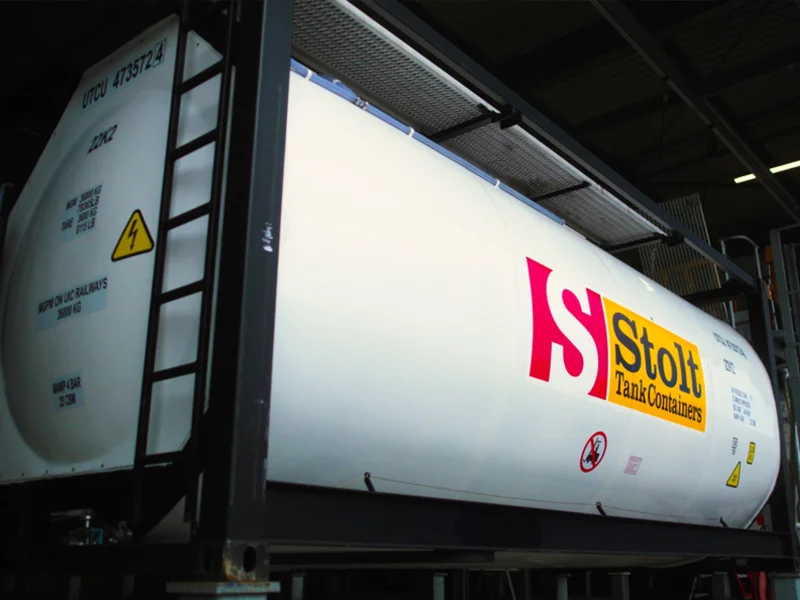
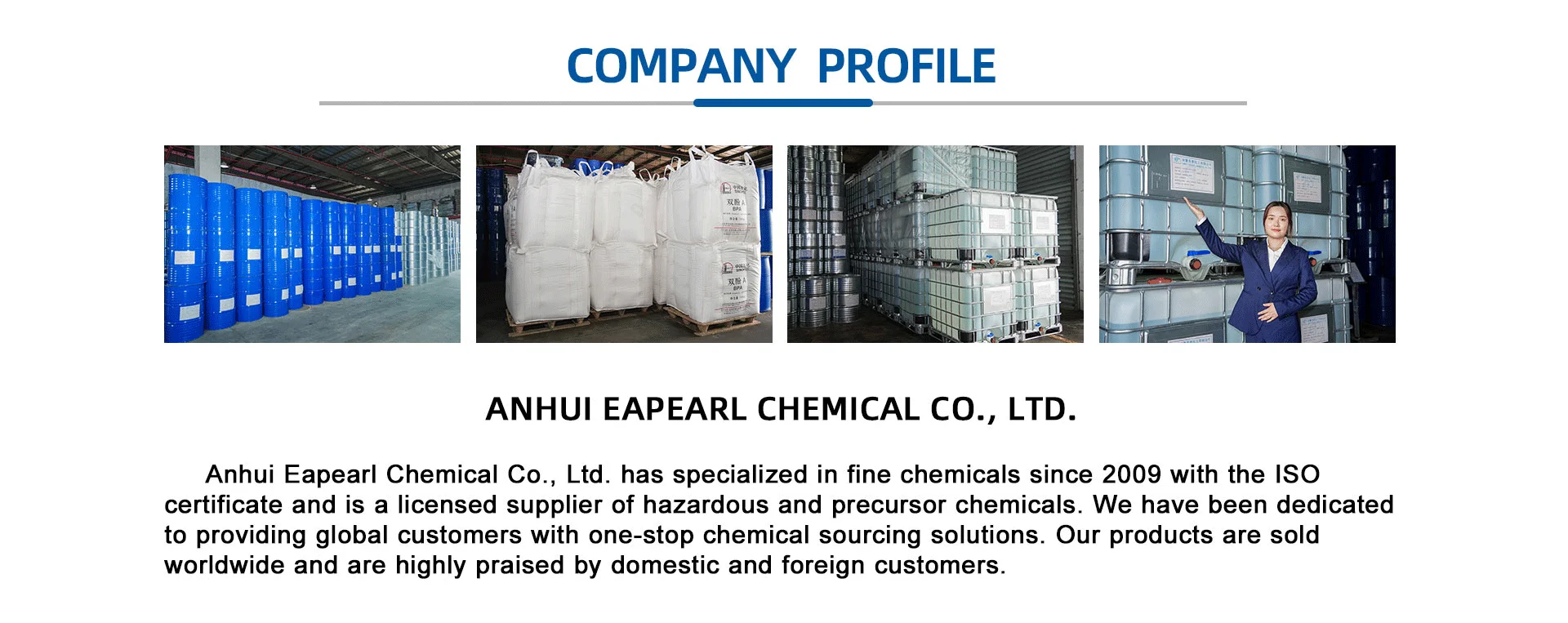
Our TPG is produced with high purity, free of impurities, and complies with industrial-grade standards. It is available in standard 200kg sealed steel drums or plastic barrels, and customizable packaging (IBC tanks, bulk shipments) is offered to meet different client needs.
The product is stored in cool, dry, well-ventilated warehouses to ensure quality and stability.
Applications and Uses
TPG is a versatile chemical intermediate and solvent widely used across industries. In coatings, inks, and paints, it acts as a co-solvent and film-forming aid, improving flow, leveling, and adhesion. It serves as a key raw material for synthesizing polyesters, polyurethanes,
and alkyd resins, and functions as a plasticizer in PVC and other polymers. In personal care, it acts as a humectant and viscosity regulator in lotions and creams. Additionally, TPG is used in textile lubricants, cutting oils, hydraulic fluids, cleaning agents, and as a heat transfer fluid,
making it indispensable in industrial manufacturing and daily chemical production.
Delivery&Payment method

Frequently asked
Is a safety data sheet available for Tripropylene glycol?
Yes. A full safety data sheet for CAS 24800-44-0 is published and linked from this page; a signed copy is issued with the shipping documents.
What purity do you supply?
The standard grade is 99.9%. Tighter specifications are confirmed against the production batch before shipment.
Technical reading on Tripropylene glycol
Tripropylene glycol: a distillation cut, not a molecule
What the name hides: an isomer population and an oligomer tail. Hydroxyl value, not assay, is the number…
Tripropylene glycol: one diol, many industrial roles
From architectural paint to photopolymer resins: what this oligomeric diol contributes, and what to verify before ordering a…
Making exhibition samples usable once you are home
A bottle without provenance is not evidence. How to collect, ship, label and archive samples so a trial…
After the trade fair: samples, contacts and next steps
The value of an exhibition is created in the two weeks afterwards. How to sort contacts, handle samples…