Specification
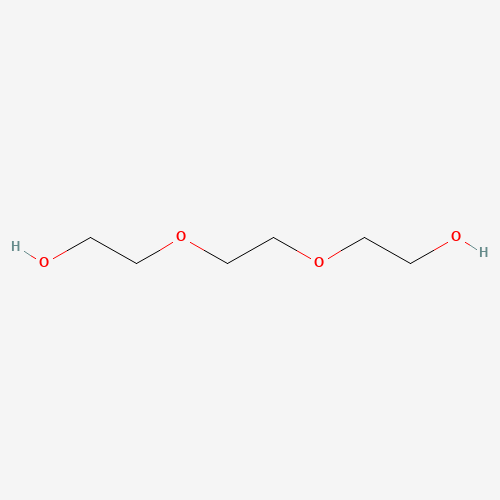
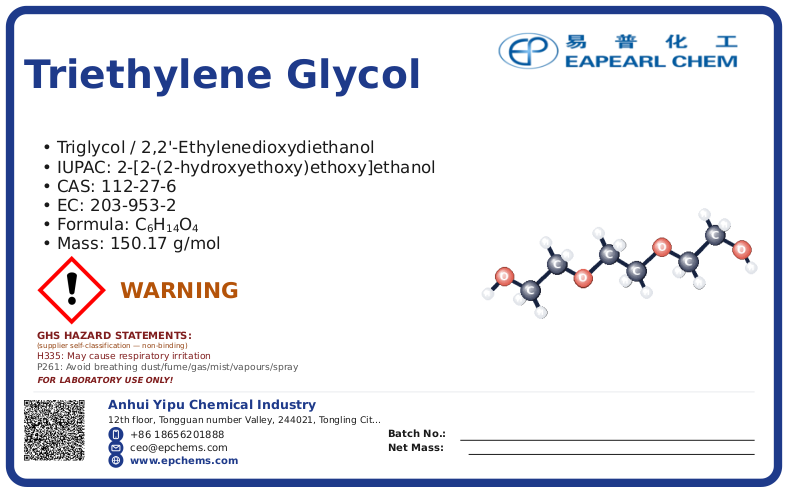
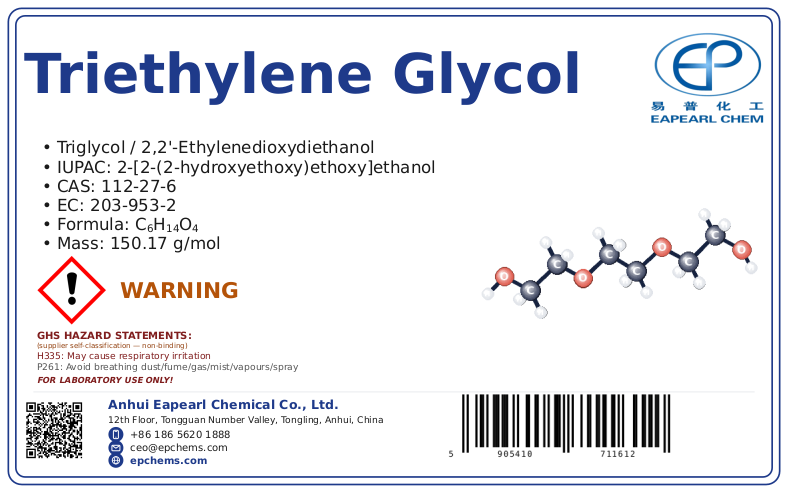
| Product Name | Triethylene glycol |
|---|---|
| Other Names | TEG |
| CAS No. | 112-27-6 |
| EINECS No. | 203-953-2 |
| MF | C6H14O4 |
| Molecular weight | 150.17 |
| Purity | 99.50% |
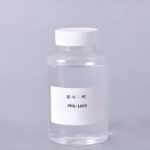
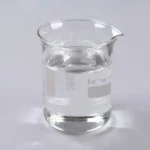
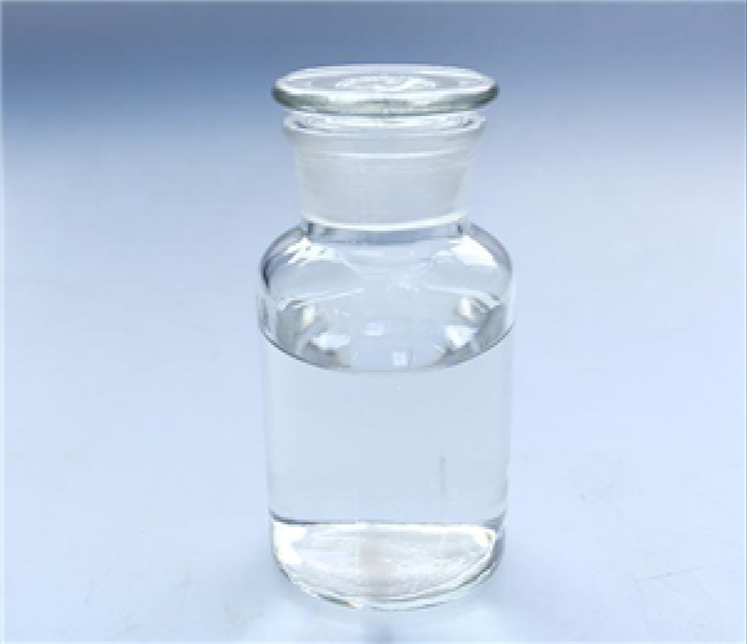
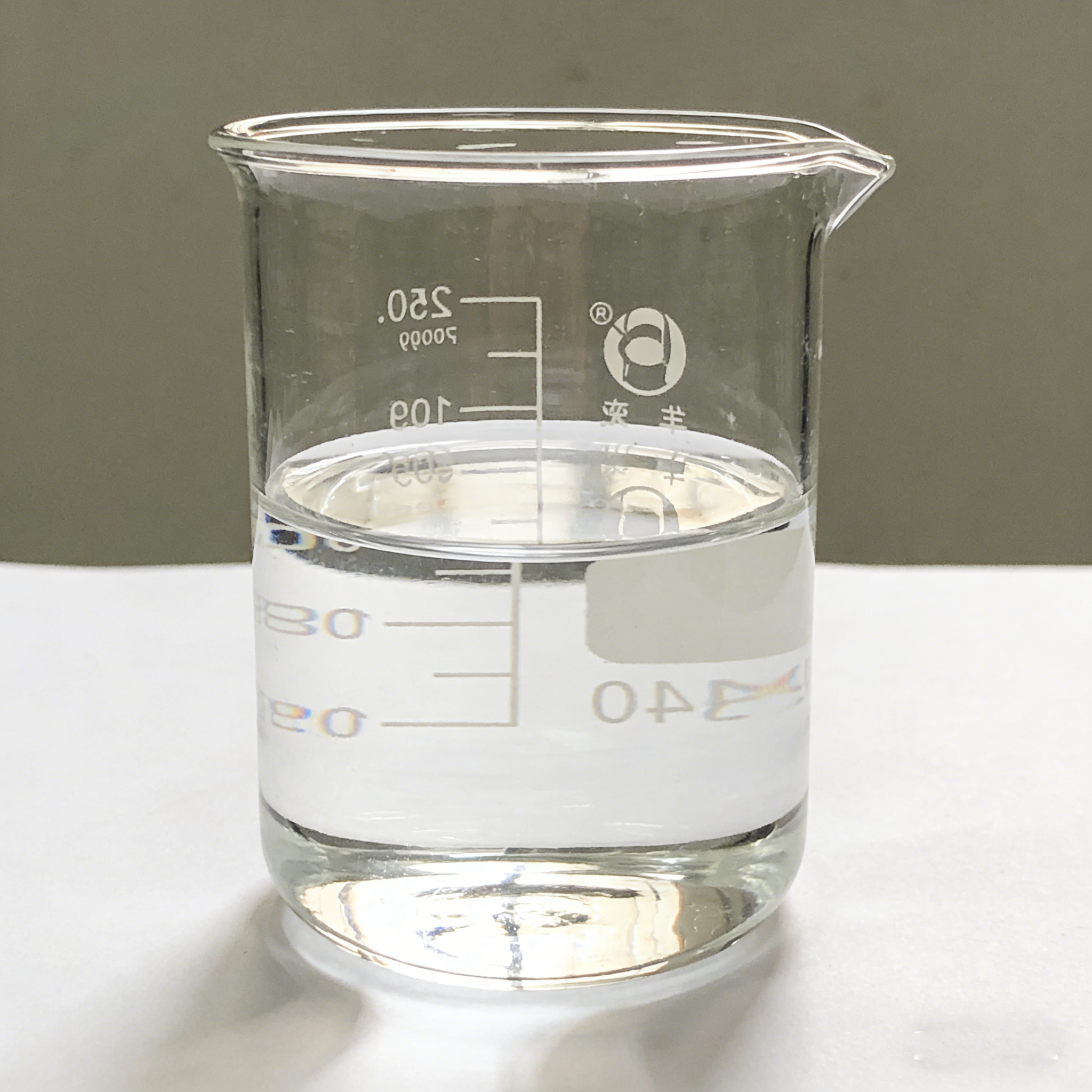
| Appearance | Colorless liquid |
| Density | 1.124 g/mL at 20 °C |
| Melting point | -7 °C |
| Boiling point | 125-127 °C |
| Flashing point | 165 °C |
Values are typical for the standard grade. Tighter specifications are available — state the target in your inquiry and we confirm against the production batch.
Hazard classification

- H335 May cause respiratory irritation
Precautionary statements (1)
- P261 Avoid breathing dust/fume/gas/mist/vapours/spray
Substance identity verified against the registry entry on 2026-09-02.
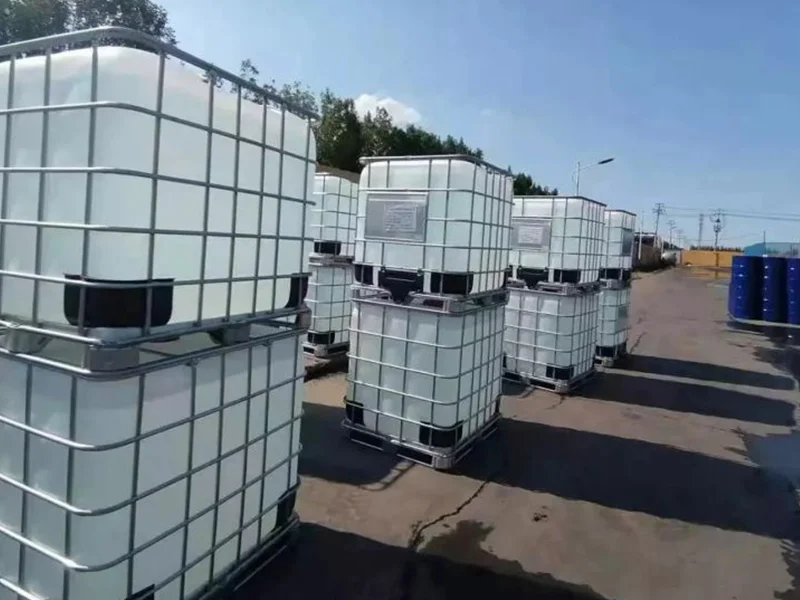
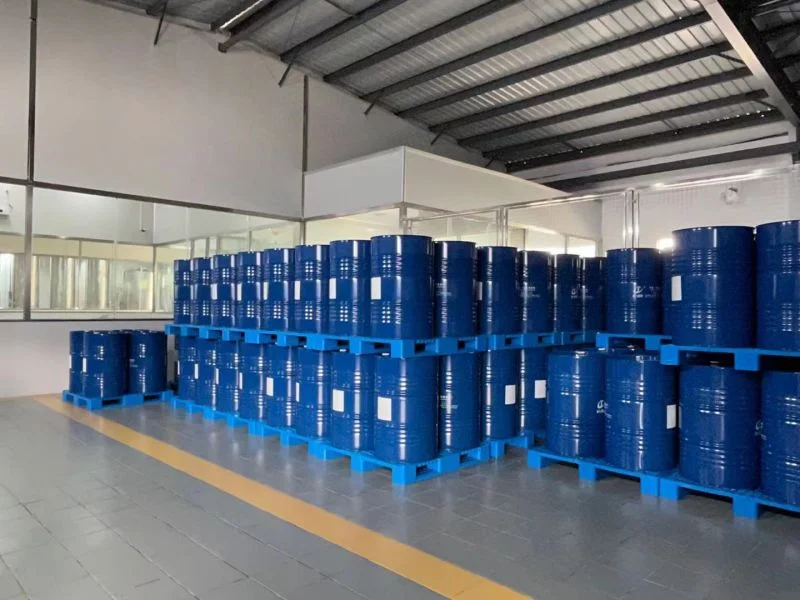
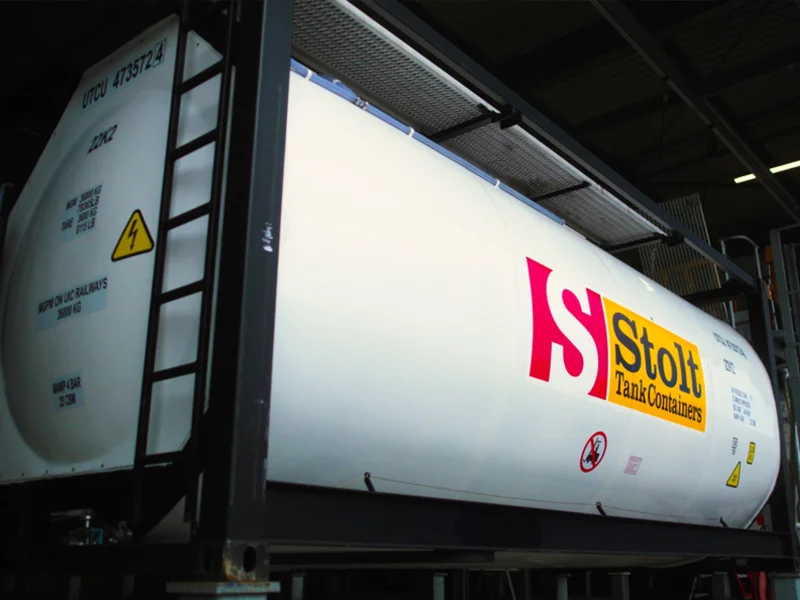
Packaging and shipping



Triethylene Glycol (TEG) is a colorless, odorless, hygroscopic organic compound belonging to the glycol family. It is widely used in industrial and commercial applications due to its excellent hygroscopicity, high boiling point, chemical stability, and low volatility. TEG has strong moisture absorption capability and good solvent properties, making it an ideal component in many formulations and processing systems.
Product Description
From a procurement perspective, Triethylene Glycol is valued for its consistent purity, reliable performance, and broad compatibility with various chemical processes. It is commonly used as a dehydrating agent, solvent, plasticizer intermediate, and humectant across multiple industries including natural gas processing, plastics, coatings, and air disinfection systems.

Delivery&Payment method

Frequently asked
In what packaging is Triethylene glycol shipped?
Standard formats are Drum (225 kg), IBC Drum (1127 kg), ISO tank (20ft) (24–26 m³), ISO tank (40ft) (48–50 m³). Other packaging can be arranged for full-container orders.
Is a safety data sheet available for Triethylene glycol?
Yes. A full safety data sheet for CAS 112-27-6 is published and linked from this page; a signed copy is issued with the shipping documents.
What purity do you supply?
The standard grade is 99.50%. Tighter specifications are confirmed against the production batch before shipment.
Technical reading on Triethylene glycol
Is triethylene glycol hazardous? TEG facts
Triethylene glycol has no EU harmonised classification. How TEG differs from ethylene and diethylene glycol, and what to…
Where diethylene glycol comes from, and how it travels
Diethylene glycol is a co-product of ethylene glycol manufacture, so it exists in volume whether anyone orders it…
Diethylene glycol and the body: what the hazard really is
Why the label says only harmful if swallowed, what the body turns diethylene glycol into, and why the…
Triethylene glycol in gas dehydration: a field guide
Why TEG became the standard drying agent for natural gas, how the absorption and regeneration loop behaves, and…