Specification
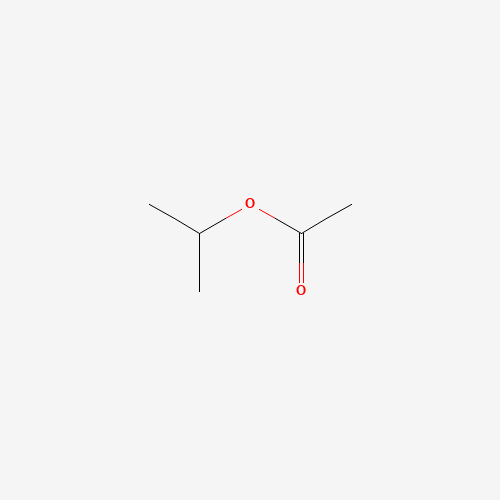
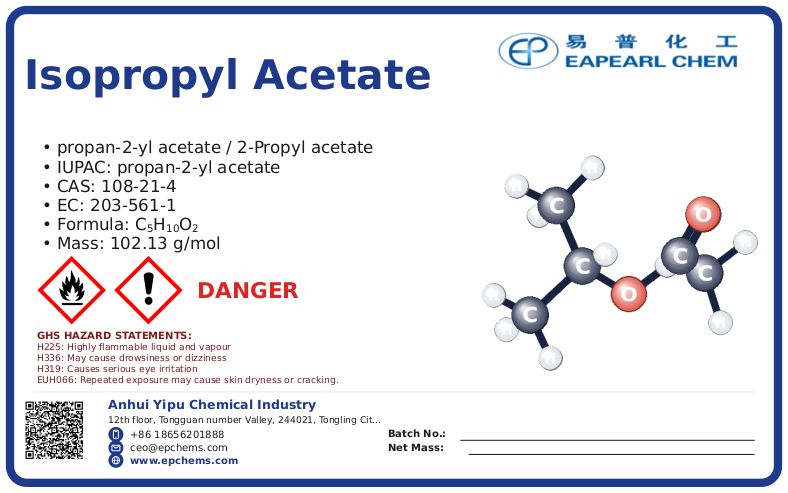
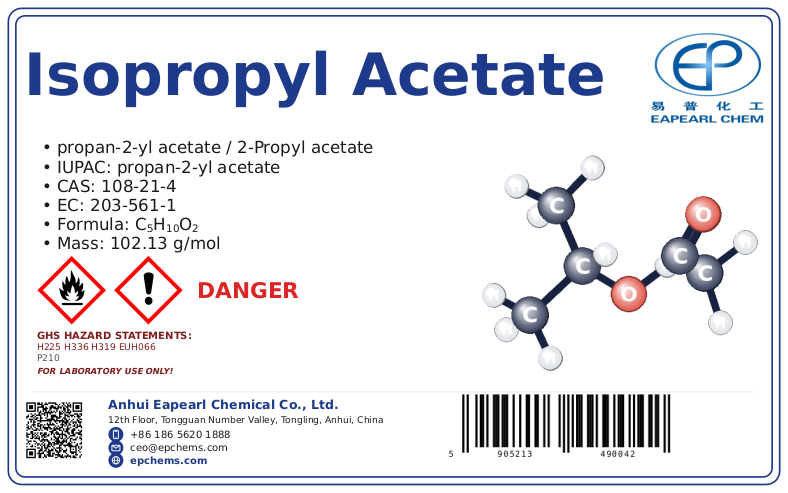
| Product Name | Isopropyl acetate |
|---|---|
| Other Names | IPAC |
| CAS No. | 108-21-4 |
| EINECS No. | 203-561-1 |
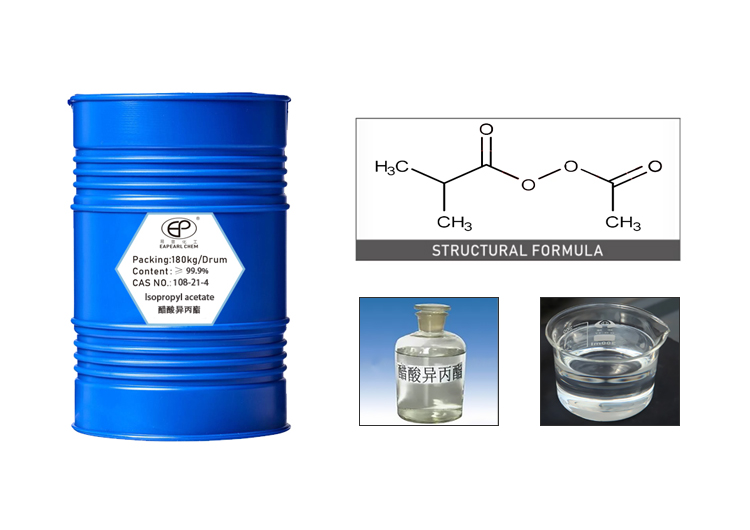
| MF | C5H10O2 |
| Molecular weight | 102.13 |
| Purity | 99.9% |
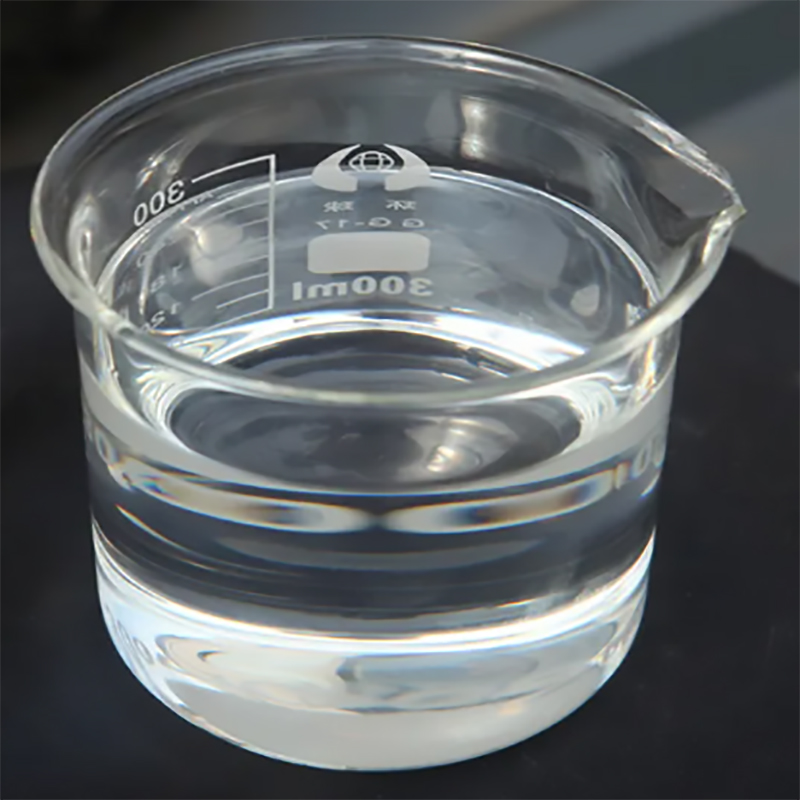
| Appearance | Colorless and transparent liquid |
| Density | 0.872 g/mL at 25 °C (lit.) |
| Melting point | -73 °C |
| Boiling point | 88.8 °C |
| Flashing point | 62°F |
Values are typical for the standard grade. Tighter specifications are available — state the target in your inquiry and we confirm against the production batch.
Hazard classification
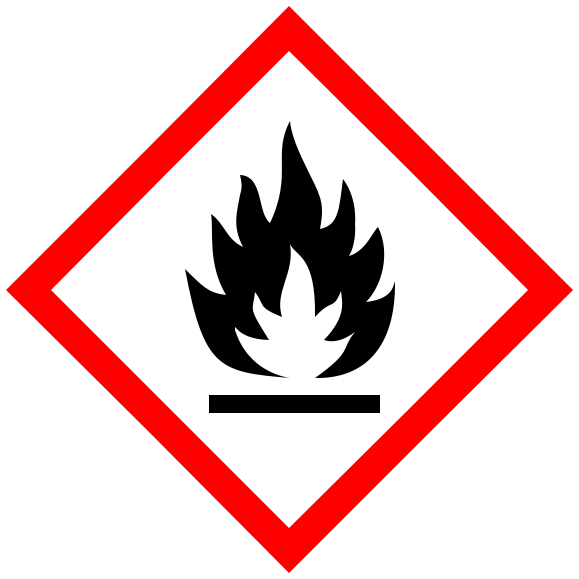

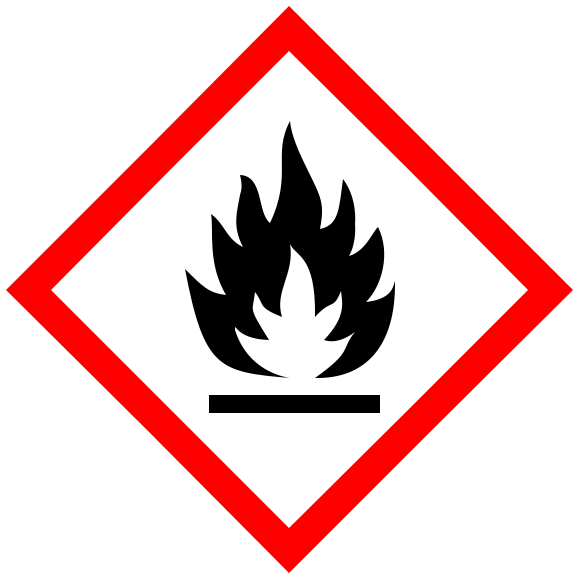
- H225 Highly flammable liquid and vapour
- H336 May cause drowsiness or dizziness
- H319 Causes serious eye irritation
- EUH066 Repeated exposure may cause skin dryness or cracking.
European Chemicals Agency. "isopropyl acetate, Index No. 607-024-00-6." In Table 3 of Annex VI to Regulation (EC) No 1272/2008 (CLP Regulation), 23rd Adaptation to Technical Progress (harmonised list as of 2026-07-07). Helsinki: European Chemicals Agency, 2026. https://echa.europa.eu/information-on-chemicals/annex-vi-to-clp.
Substance identity verified against the registry entry on 2026-09-02.
Packaging and shipping
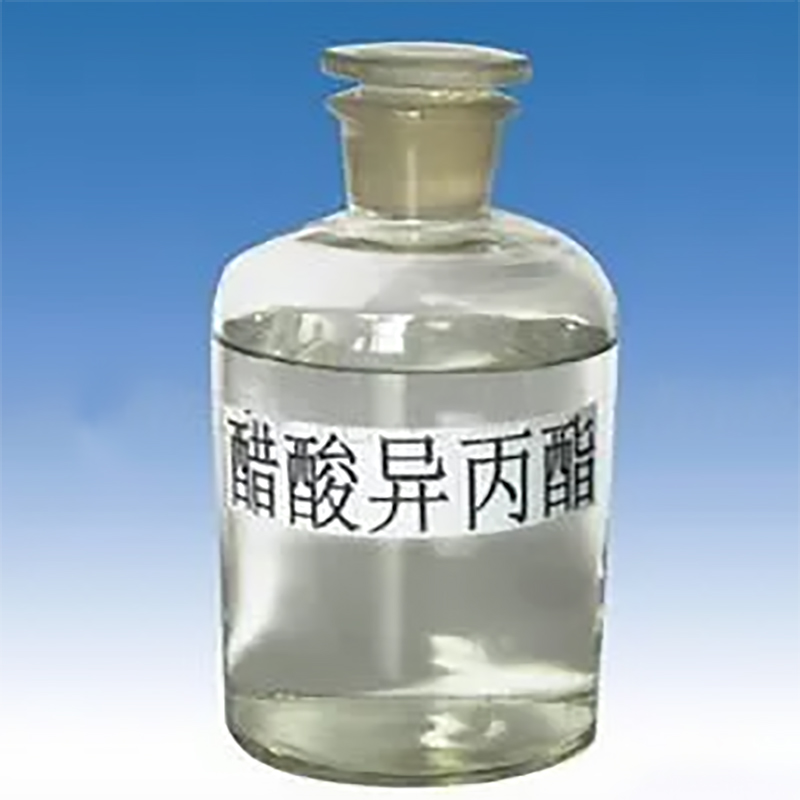
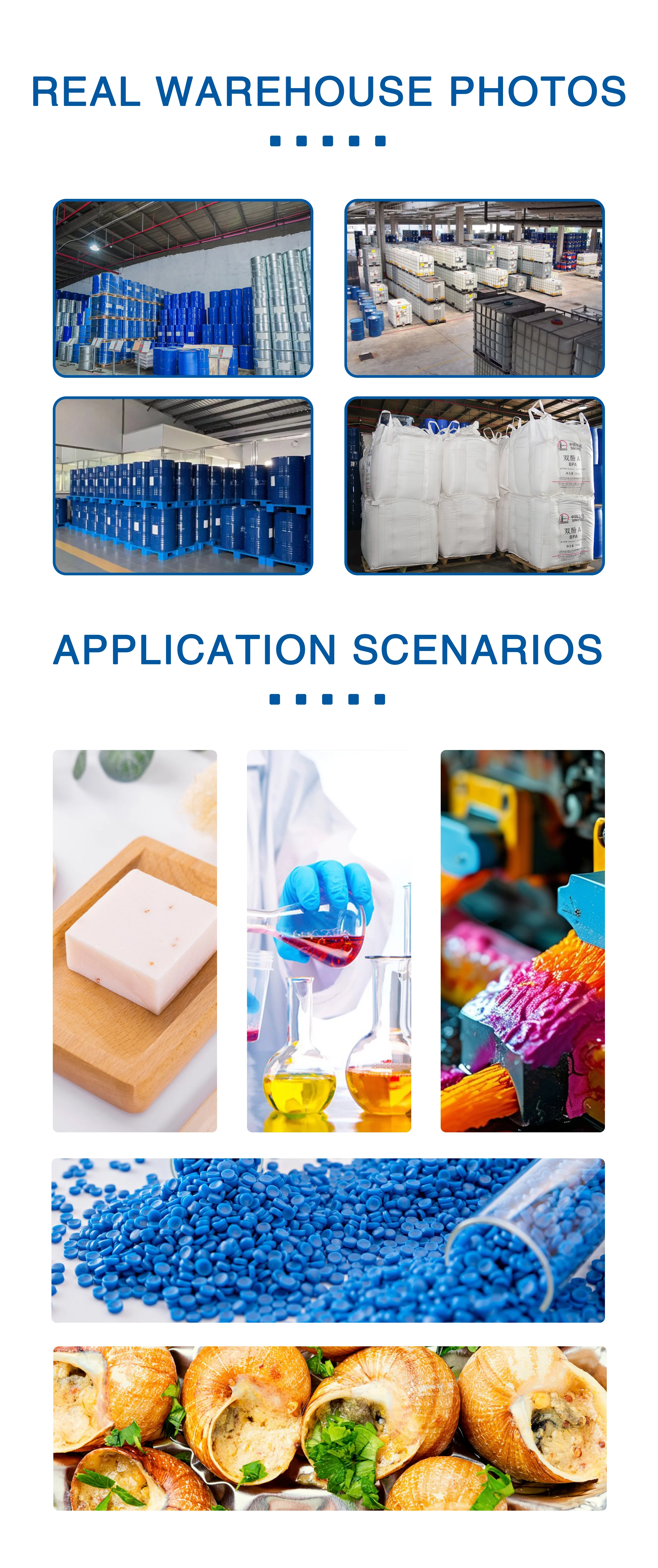
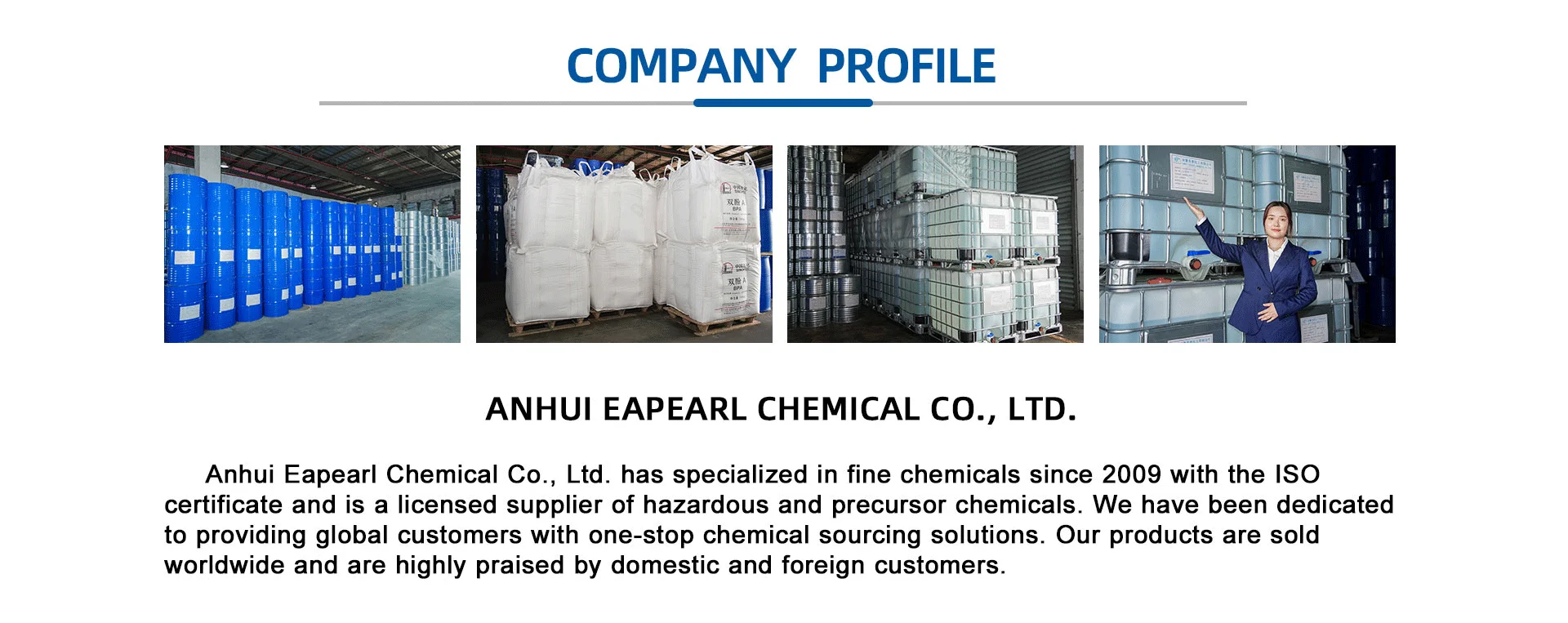
Isopropyl Acetate(IPAC) is a high-purity organic solvent widely used across industries such as coatings, inks, pharmaceuticals, adhesives, and electronics. From a procurement perspective, it is valued for its fast evaporation rate, excellent solvency power, and low residue characteristics.
Product Description
Isopropyl Acetate is a high-purity ester solvent widely used as an intermediate and processing solvent in multiple industrial applications. From a procurement perspective, it is valued for its fast evaporation rate, strong solvency, and low residue characteristics.
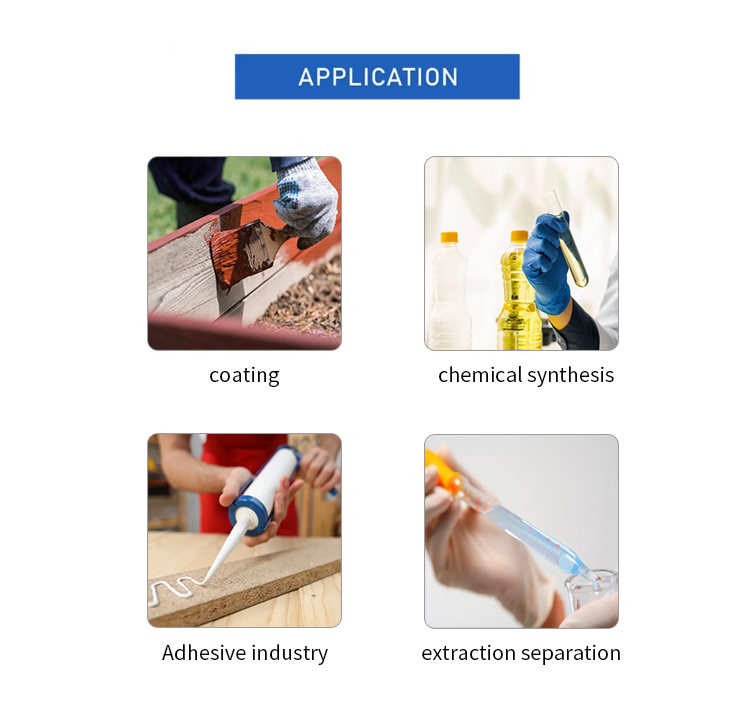
In the coatings and chemical manufacturing industries, Isopropyl Acetate is commonly used as a solvent and formulation component, contributing to improved flow, leveling, and rapid drying performance. Its excellent compatibility with a wide range of resins makes it suitable for use in paints, coatings, and adhesive systems where efficiency and finish quality are critical.
Within the printing ink industry, Isopropyl Acetate serves as an effective solvent for gravure and flexographic inks, enabling fast drying speeds and high-quality print results. Its clean evaporation profile supports high-speed production processes and reduces defects in printed materials.
In the pharmaceutical and fine chemical sectors, Isopropyl Acetate is used as an extraction solvent and intermediate, offering reliable purity and performance for sensitive and high-value applications.
In addition, Isopropyl Acetate is utilized in the formulation of cleaning agents and electronic chemicals, where its low residue and strong solvency contribute to effective surface cleaning and process efficiency.
From a sourcing and supply chain standpoint, high-quality Isopropyl Acetate offers:
-
Consistent purity and controlled moisture content
-
Fast evaporation with minimal residue
-
Strong compatibility with diverse chemical systems
-
Stable supply capacity with flexible packaging options
Delivery&Payment method

Frequently asked
In what packaging is Isopropyl acetate shipped?
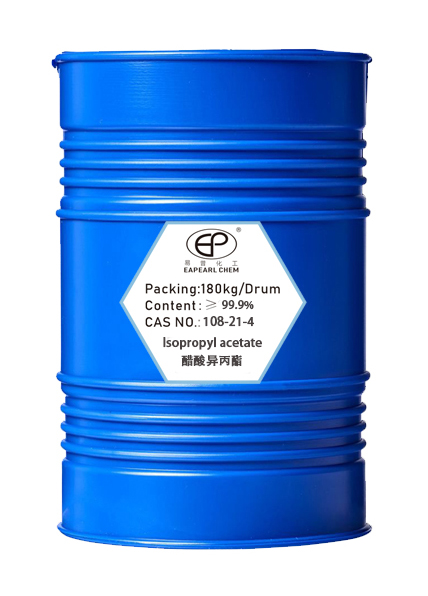
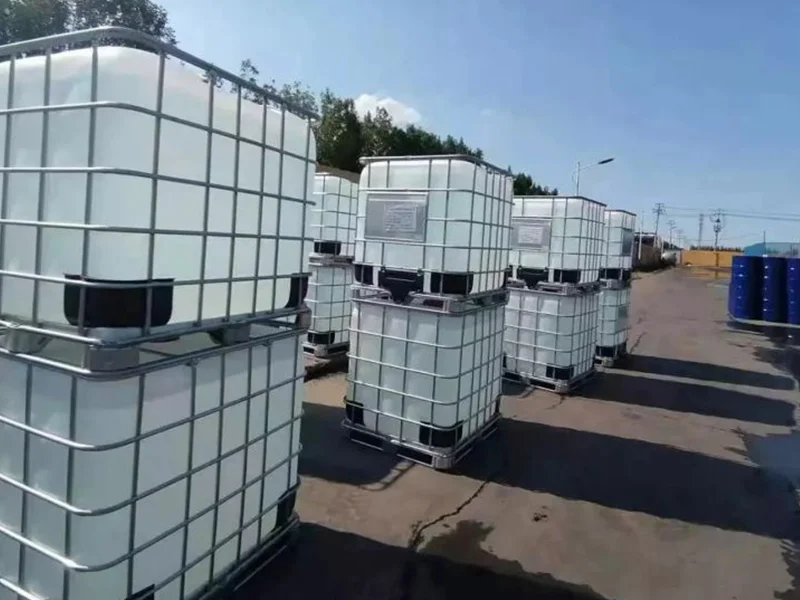
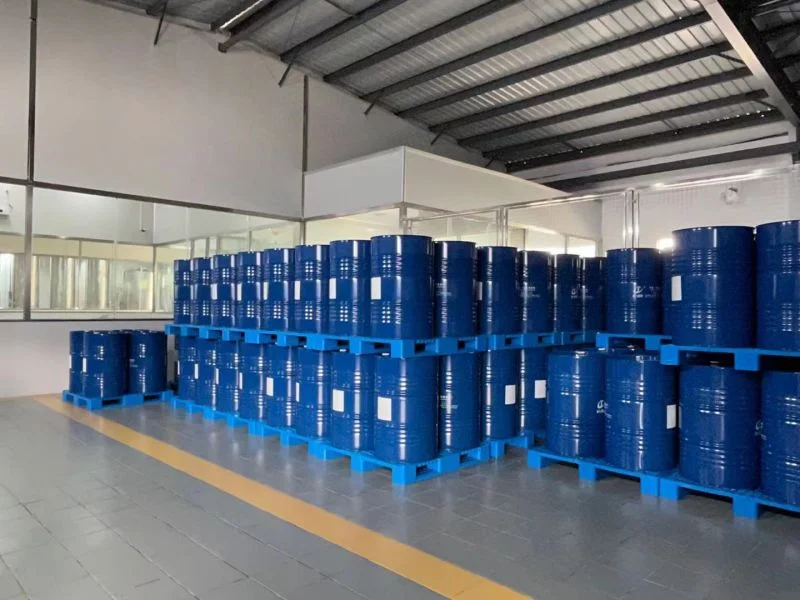
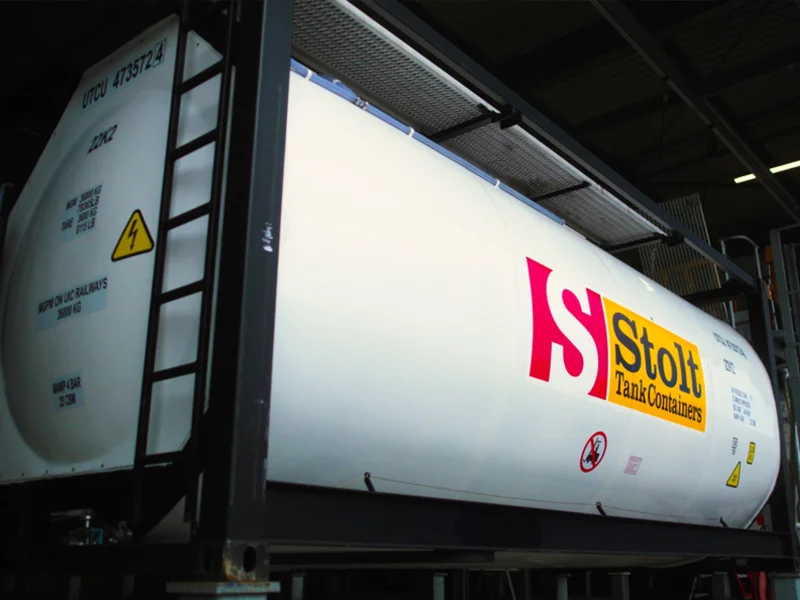
Standard formats are Drum (180 kg), IBC Drum (813–816 kg), ISO tank (19.5–21.1ton). Other packaging can be arranged for full-container orders.
Is a safety data sheet available for Isopropyl acetate?
Yes. A full safety data sheet for CAS 108-21-4 is published and linked from this page; a signed copy is issued with the shipping documents.
What purity do you supply?
The standard grade is 99.9%. Tighter specifications are confirmed against the production batch before shipment.
Technical reading on Isopropyl acetate
Isopropyl acetate: where the ester ladder places it
A branched acetate sitting between the ethyl and the butyl ester, bought for a drying rate that neither…
Ester solvents: how to pick the right one
Acetates, carbonates, plasticisers and reactive monomers all sell as esters. A selection guide by job, not by family…
Isopropyl alcohol: routes, water content and grades
How the two production routes shape the impurity profile, why the water azeotrope sets the price ladder, and…