Specification
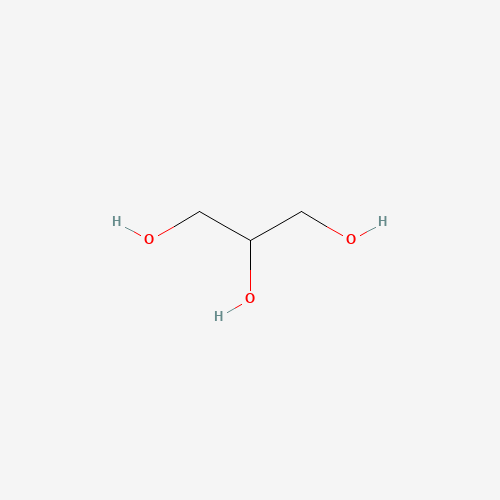
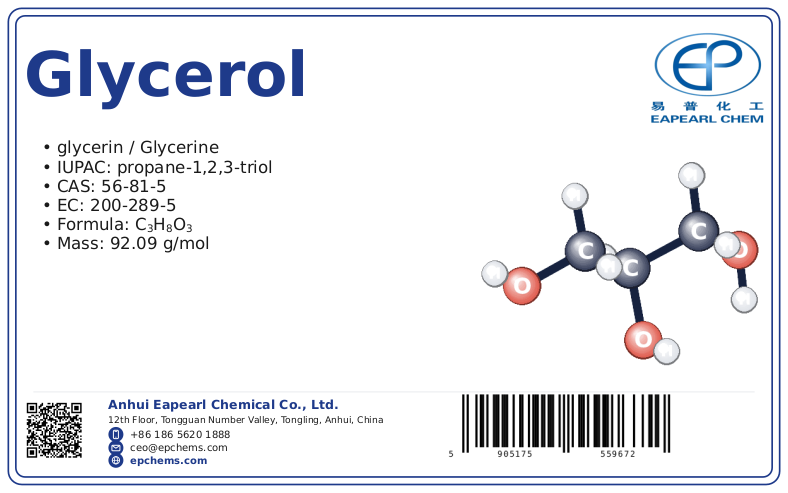
| Product Name | Glycerol |
|---|---|
| Other Names | Glycerin /Glycerine |
| CAS No. | 56-81-5 |
| EINECS No. | 200-289-5 |
| MF | C3H8O3 |
| Molecular weight | 92.09 |
| Purity | 95%/99.50% |
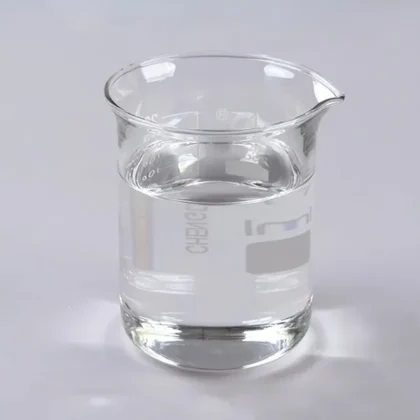
| Appearance | Colorless viscous liquid |
| Density | 1.261g/mLat 25°C (lit.) |
| Melting point | 18°C (lit.) |
| Boiling point | 290°C (lit.) |
| Flashing point | 177 °C (closed cup) |
Values are typical for the standard grade. Tighter specifications are available — state the target in your inquiry and we confirm against the production batch.
Packaging and shipping
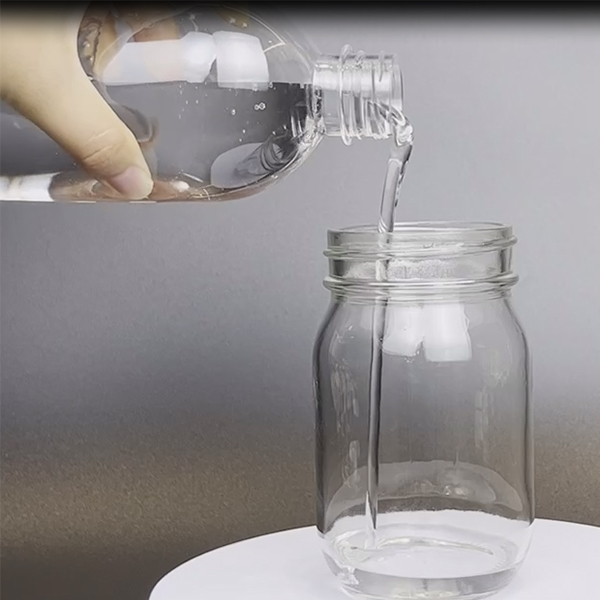
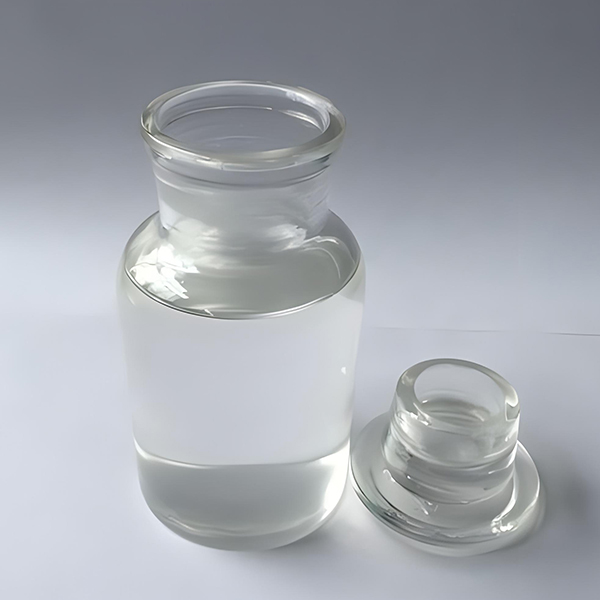
Glycerol, also known as glycerin, is a simple polyol compound with the molecular formula C₃H₈O₃. It appears as a colorless, odorless, viscous liquid that is sweet-tasting and non-toxic. Widely recognized for its exceptional hygroscopicity, chemical stability, and compatibility with various substances, glycerol is fully miscible with water, alcohols, and many organic solvents, making it a highly versatile industrial raw material.
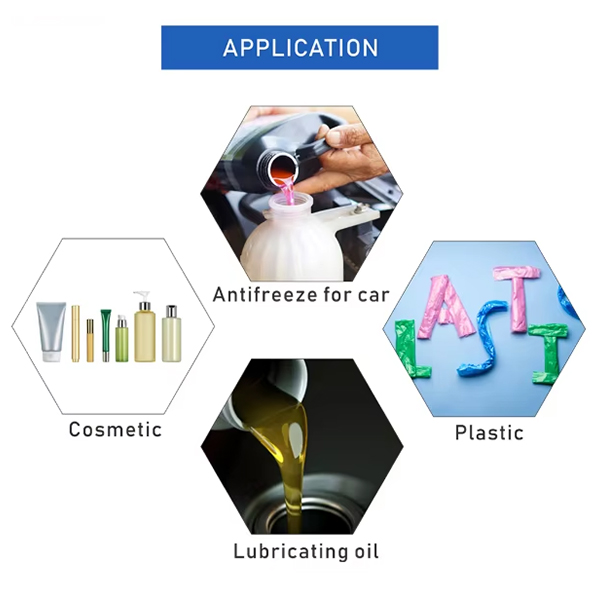
As a key multifunctional additive, glycerol serves as a critical humectant, solvent, and thickener across multiple industries. In the cosmetics and personal care sector, it is extensively used to retain moisture, improve skin texture, and stabilize formulations, finding applications in creams, lotions, toothpaste, and skincare products. In the food industry, it acts as a sweetener, preservative, and texturizer, commonly utilized in baked goods, candies, and beverages.
In pharmaceuticals, glycerol functions as a safe excipient in ointments, cough syrups, and suppositories, enhancing drug solubility and delivery. Additionally, it plays a vital role in the production of synthetic resins, lubricants, and antifreeze agents, thanks to its high boiling point and excellent lubricating properties. With its broad applicability, safe profile, and stable supply, glycerol remains an indispensable basic chemical in modern industry.
Product Description
Glycerol, also known as glycerin, is a colorless, odorless, and viscous liquid with excellent hygroscopicity, solubility, and stability. It is a natural polyol derived from vegetable oils or animal fats through saponification or hydrolysis.
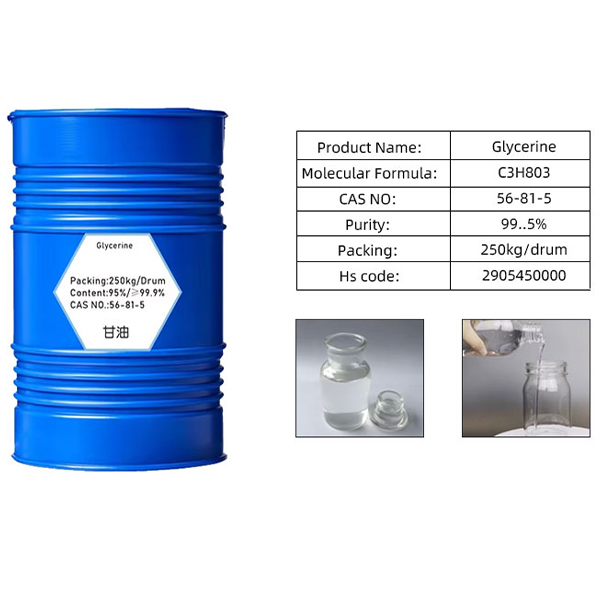
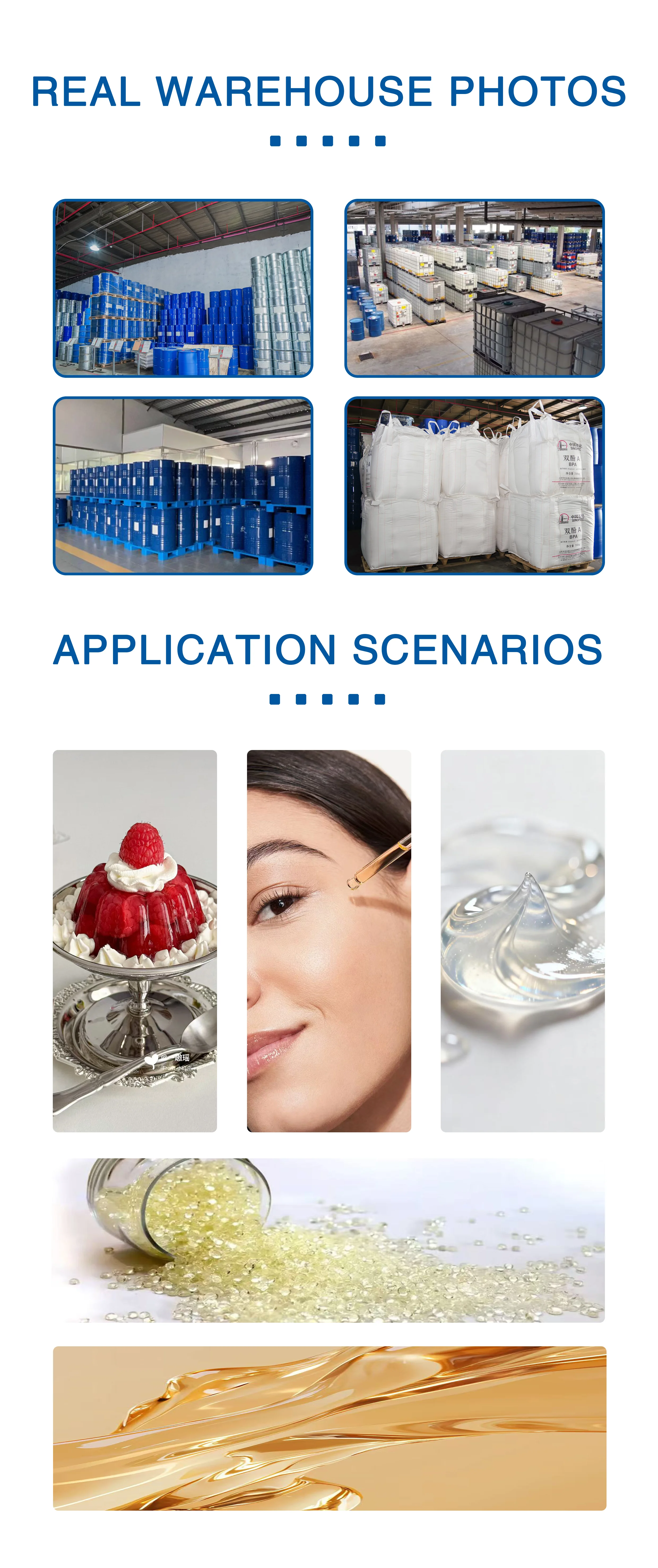
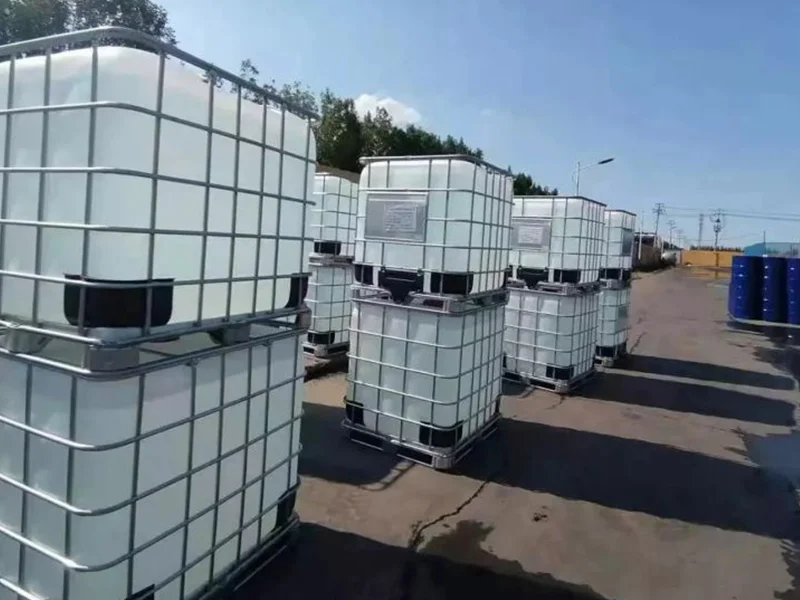
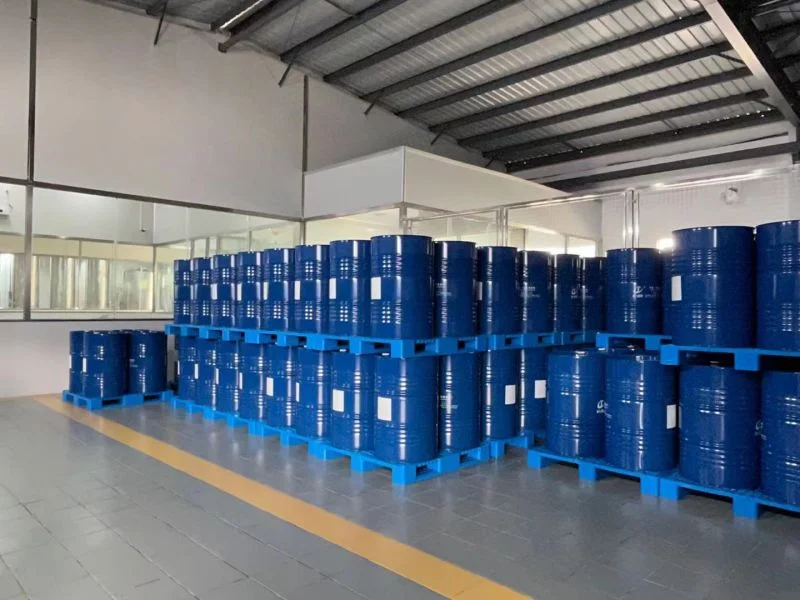
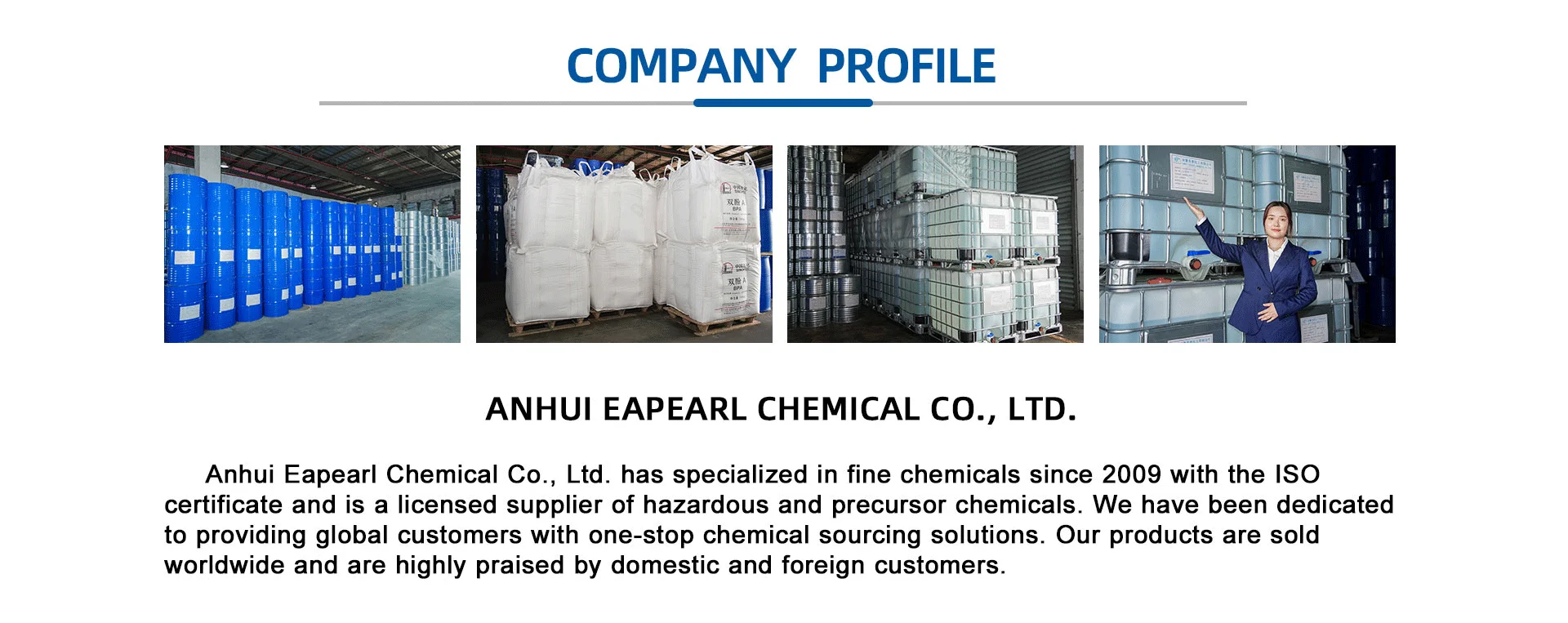
Our glycerol is packaged in food-grade HDPE drums (250kg each) and sealed plastic bottles (500ml, 1L) for different usage scenarios, ensuring safety during storage and transportation. It features high purity (≥99.5%), low impurity content,
and consistent quality, making it suitable for various industries.
In terms of usage and applications, glycerol is widely used in the pharmaceutical industry as a humectant, solvent, and excipient in cough syrups, creams, and suppositories.
In the cosmetics field, it acts as a moisturizer in lotions, soaps, and skincare products, helping to retain skin moisture. The food industry utilizes it as a sweetener, humectant, and thickener in baked goods, beverages, and candies.
Additionally, it serves as an important raw material in the production of explosives, plastics, and lubricants in industrial manufacturing. Its non-toxic and versatile nature makes it an indispensable ingredient across multiple sectors.

Delivery&Payment method

Frequently asked
In what packaging is Glycerol shipped?
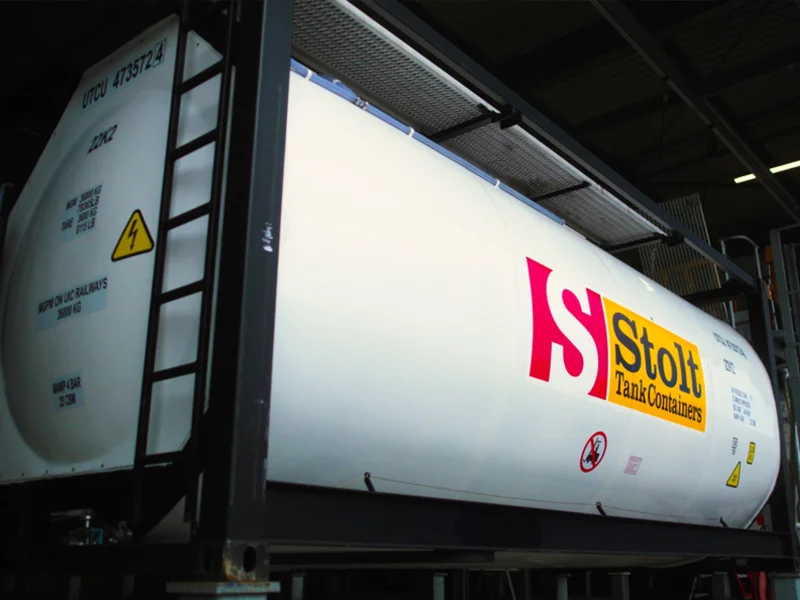
Standard formats are Drum (250 kg), IBC Drum (1127 kg), ISO tank (20ft) (24–26 m³), ISO tank (40ft) (48–50 m³). Other packaging can be arranged for full-container orders.
Is a safety data sheet available for Glycerol?
Yes, on request. Safety data sheets are issued per grade and destination market; state the country of import in your inquiry.
What purity do you supply?
The standard grade is 95%/99.50%. Tighter specifications are confirmed against the production batch before shipment.
Technical reading on Glycerol
Glycerol and water activity: a property of the system
Water content and water activity are different measurements. One counts molecules; the other says how available they are…
Diethylene glycol: uses and the identity risk
Diethylene glycol (CAS 111-46-6): industrial uses, and the substitution risk that makes substance identity worth testing.
Propylene glycol: why the grade decides everything
One CAS number covers the propylene glycol that goes into de-icing fluid and the propylene glycol that goes…
Diethylene glycol and the body: what the hazard really is
Why the label says only harmful if swallowed, what the body turns diethylene glycol into, and why the…