Specification
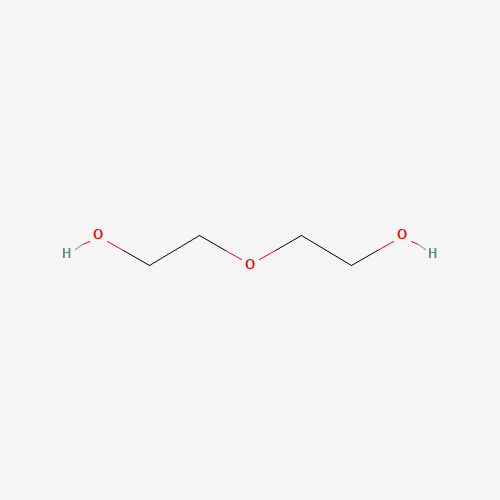
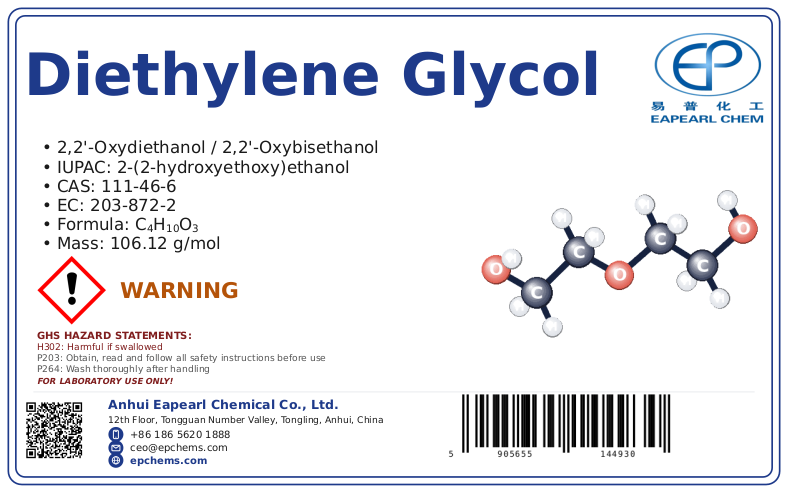
| Product Name | Diethylene glycol |
|---|---|
| Other Names | DEG |
| CAS No. | 111-46-6 |
| EINECS No. | 203-953-2 |
| MF | C4H10O3 |
| Molecular weight | 106.12 |
| Purity | 99.50% |
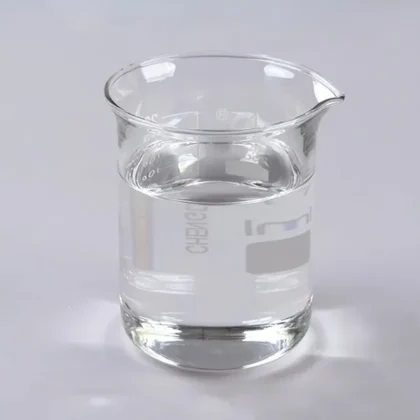
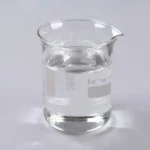
| Appearance | Colorless liquid |
| Density | 1.118g/mLat 25°C (lit.) |
| Melting point | −10°C (lit.) |
| Boiling point | 245°C (lit.) |
| Flashing point | 143 °C |
Values are typical for the standard grade. Tighter specifications are available — state the target in your inquiry and we confirm against the production batch.
Hazard classification

- H302 Harmful if swallowed
Precautionary statements (2)
- P264 Wash thoroughly after handling
- P203 Obtain, read and follow all safety instructions before use
European Chemicals Agency. "2,2' -oxybisethanol; diethylene glycol, Index No. 603-140-00-6." In Table 3 of Annex VI to Regulation (EC) No 1272/2008 (CLP Regulation), 23rd Adaptation to Technical Progress (harmonised list as of 2026-07-07). Helsinki: European Chemicals Agency, 2026. https://echa.europa.eu/information-on-chemicals/annex-vi-to-clp.
Packaging and shipping
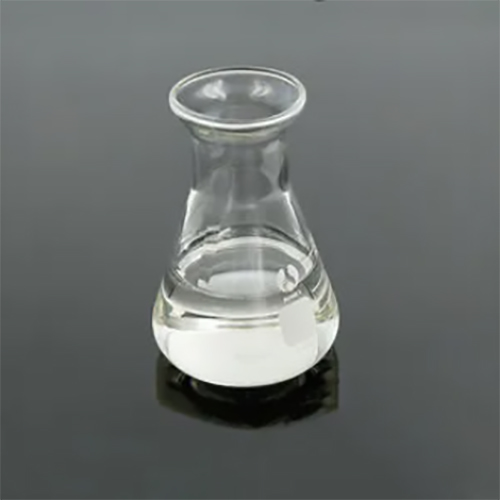
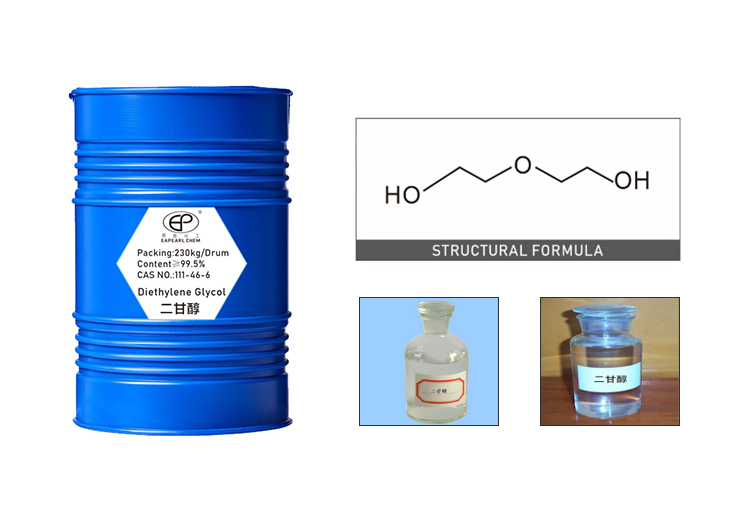
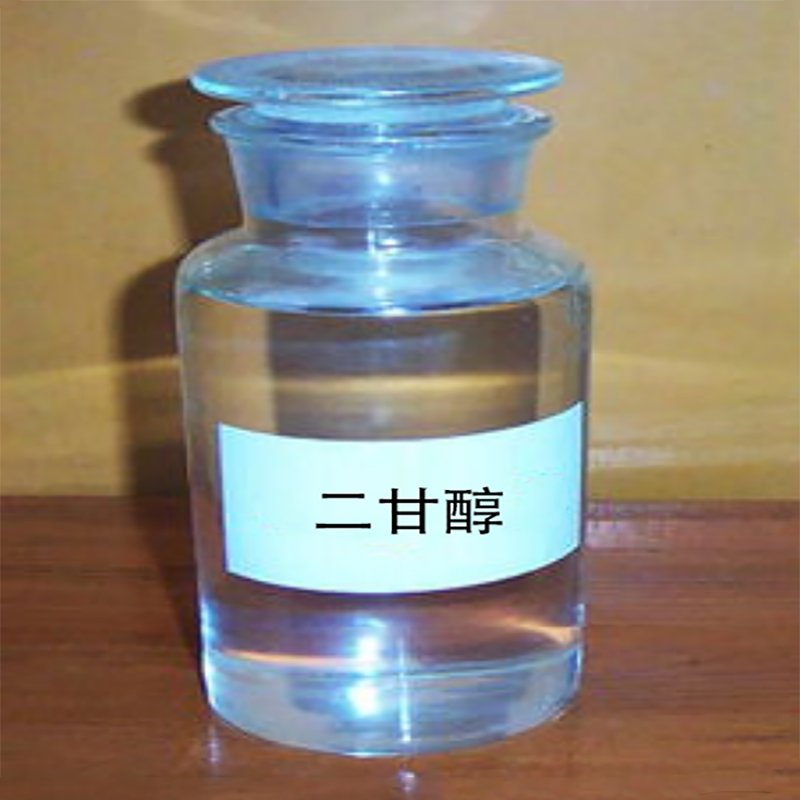
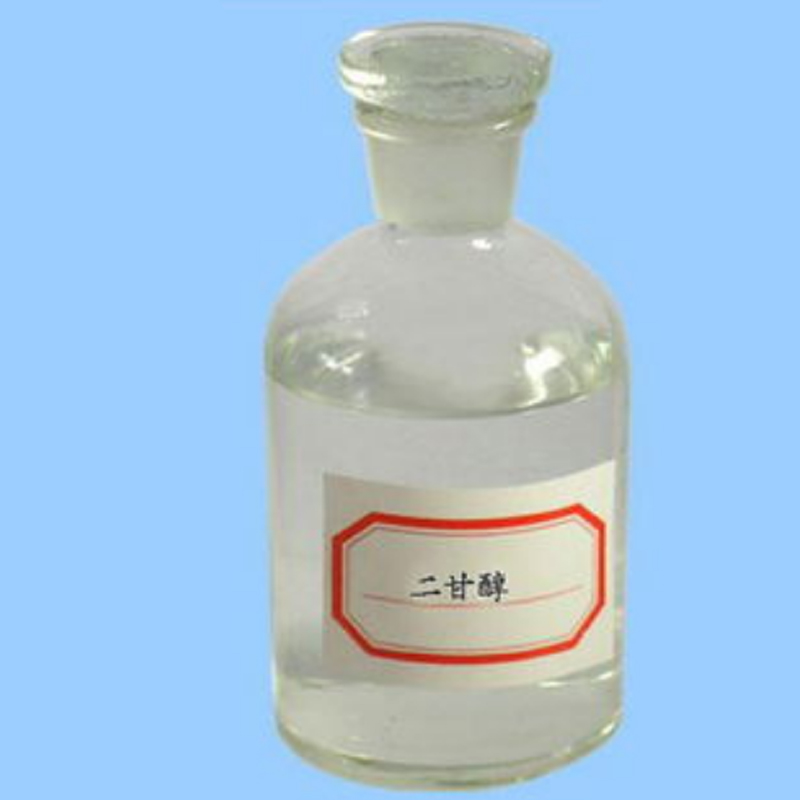

Our Diethylene Glycol (DEG) is a colorless, odorless, hygroscopic organic compound belonging to the glycol family. It is widely applied in various industrial and commercial fields by virtue of its excellent hygroscopicity, high boiling point, favorable chemical stability and low volatility.
Our DEG features strong moisture absorption capacity and outstanding solvent performance, making it an ideal raw material for numerous formulations and industrial processing systems.
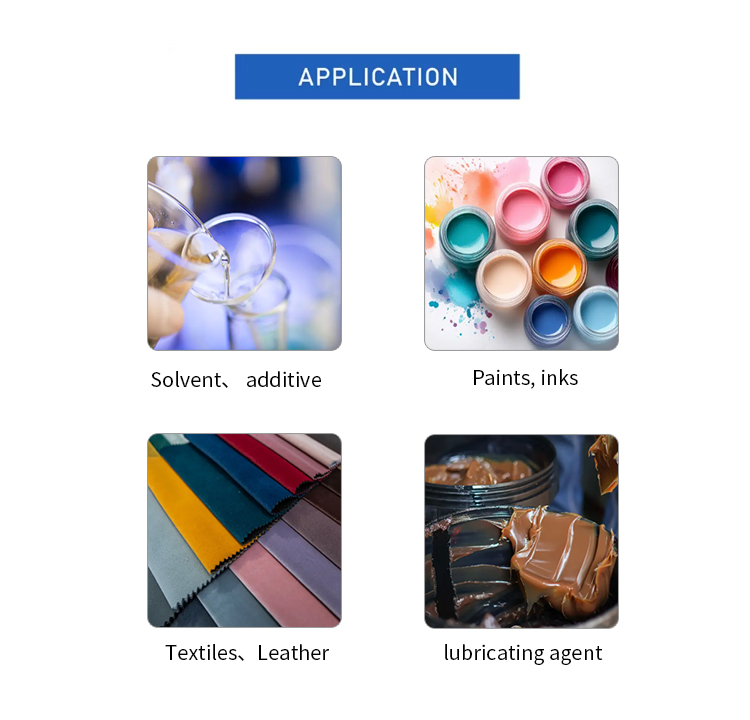
It is mainly used in the production of unsaturated polyester resins, polyester polyols and plasticizers. It also serves as a high-quality solvent, humectant and raw material for brake fluids, textile auxiliaries and other fine chemical products.
Product Description
Diethylene glycol is a multifunctional organic compound. Its main functions include:
Industrial solvents and additives
Used as a gas dehydration agent, an extractant for aromatics, and a solvent for nitrocellulose, resins, oils, printing inks, etc. It can also be used as a softener, finishing agent, and lubricant for textiles, improving the fabric feel and static resistance performance. Chemical raw materials
It is an important raw material for synthesizing unsaturated polyester resins, plasticizers, polyurethanes, etc., and can enhance the flexibility and durability of the materials. It is also used in the production of herbicides such as glyphosate, surfactants, and lubricants.
Pharmaceuticals and Cosmetics
As a humectant, solvent and softening agent, it is used in skin care products and medicines to improve the moisturizing effect and stability. However, due to the risk of historical misuse, its use in pharmaceuticals is now strictly restricted. Other applications
In the food industry, it serves as a stabilizer and humectant to maintain the freshness of food; in the fuel sector, it is used to produce biodiesel; in tobacco processing, it acts as a desiccant.

Delivery&Payment method

Frequently asked
In what packaging is Diethylene glycol shipped?
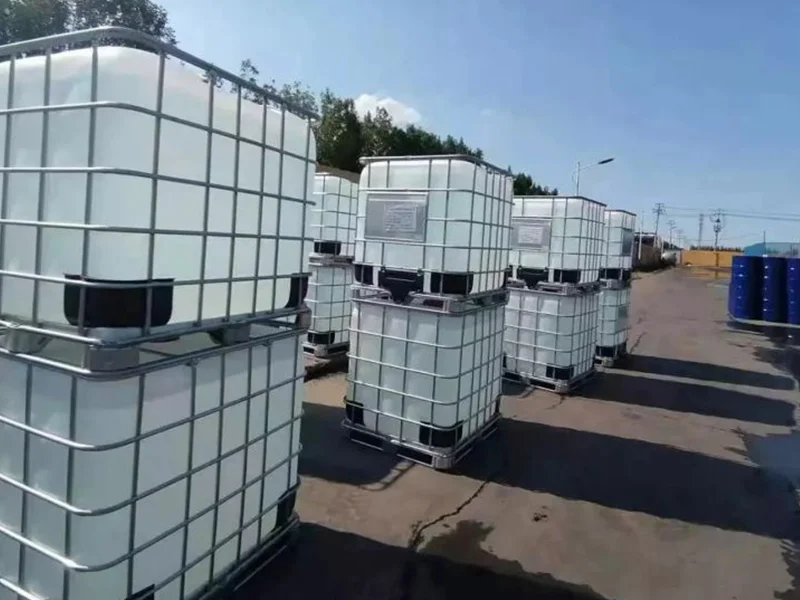
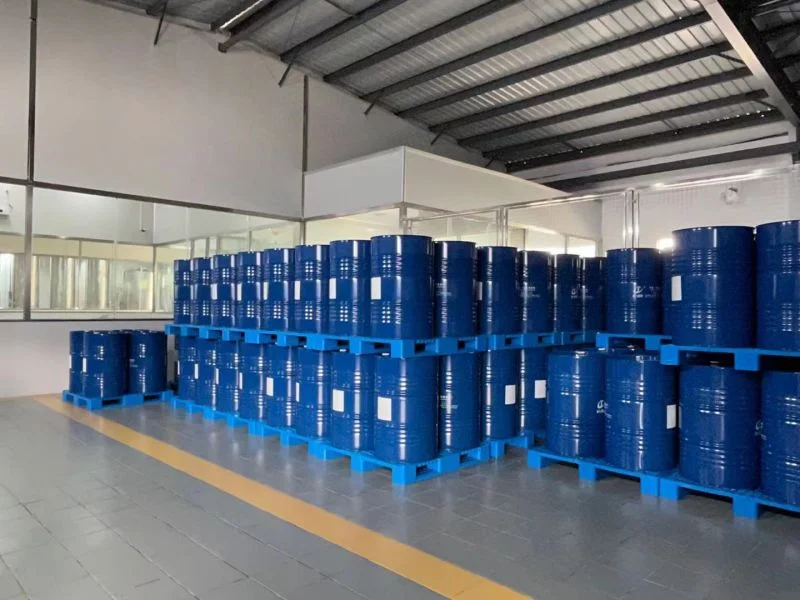
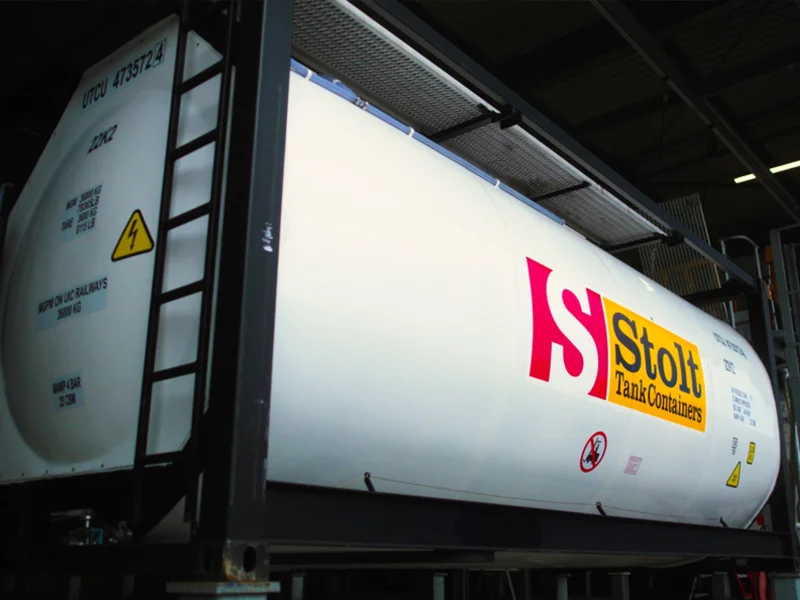
Standard formats are Drum (225 kg), IBC Drum (1127 kg), ISO tank (20ft) (24–26 m³), ISO tank (40ft) (48–50 m³). Other packaging can be arranged for full-container orders.
Is a safety data sheet available for Diethylene glycol?
Yes, on request. Safety data sheets are issued per grade and destination market; state the country of import in your inquiry.
What purity do you supply?
The standard grade is 99.50%. Tighter specifications are confirmed against the production batch before shipment.
Technical reading on Diethylene glycol
Is triethylene glycol hazardous? TEG facts
Triethylene glycol has no EU harmonised classification. How TEG differs from ethylene and diethylene glycol, and what to…
Glycol ethers in de-icing fluids
Propylene glycol ethyl ether is not the freezing-point depressant in an anti-freeze fluid. Here is what a glycol…
Where diethylene glycol comes from, and how it travels
Diethylene glycol is a co-product of ethylene glycol manufacture, so it exists in volume whether anyone orders it…
Diethylene glycol: uses and the identity risk
Diethylene glycol (CAS 111-46-6): industrial uses, and the substitution risk that makes substance identity worth testing.