Specification
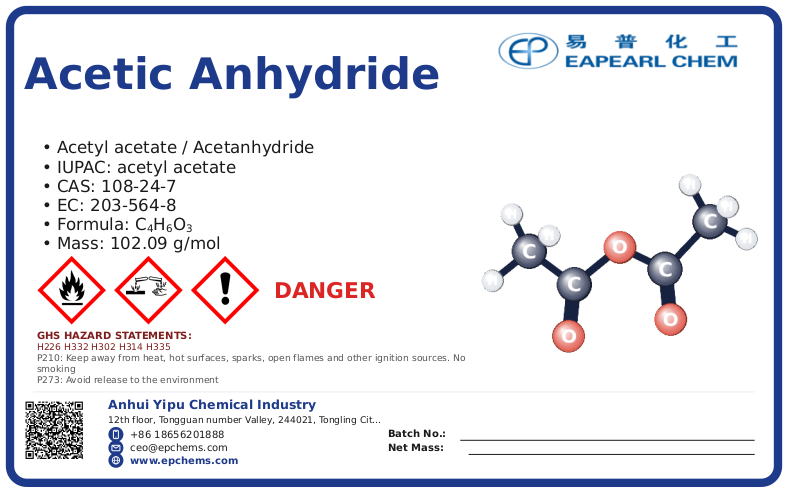
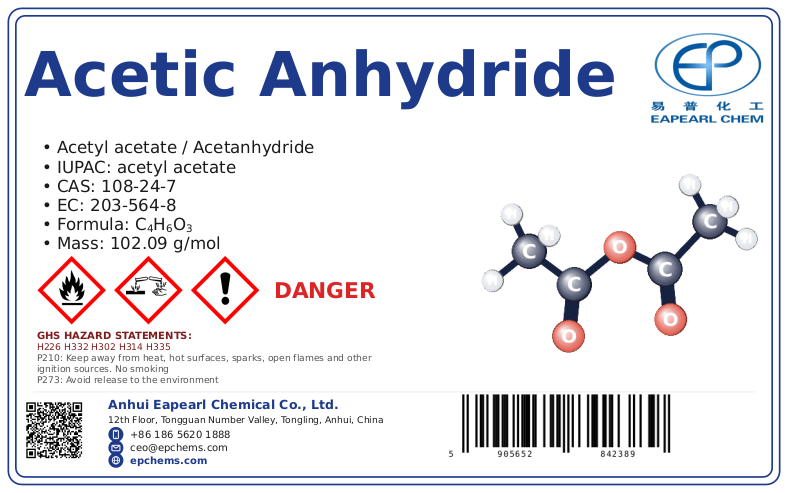
| Product Name | Acetic anhydride |
|---|---|
| Other Names | Ac₂O |
| CAS No. | 108-24-7 |
| EINECS No. | 203-564-8 |
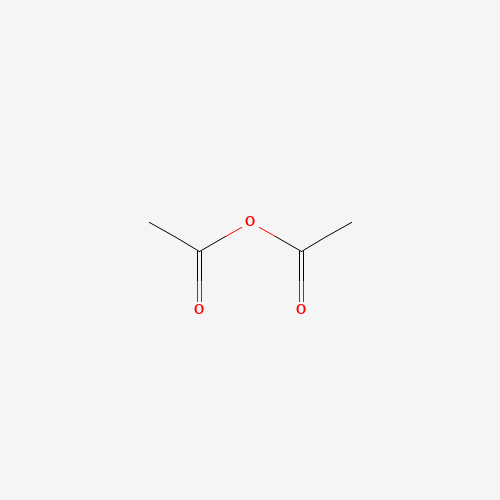
| MF | C4H6O3 |
| Molecular weight | 102.09 |
| Purity | 99.5% |
| Appearance | colorless clear liquid |
| Density | 1.08 g/cm³ |
| Melting point | -73.1 °C |
| Boiling point | 138.6 °C |
| Solubility | 49 °C |
Values are typical for the standard grade. Tighter specifications are available — state the target in your inquiry and we confirm against the production batch.
Hazard classification



- H226 Flammable liquid and vapour
- H332 Harmful if inhaled
- H302 Harmful if swallowed
- H314 Causes severe skin burns and eye damage
Precautionary statements (2)
- P210 Keep away from heat, hot surfaces, sparks, open flames and other ignition sources. No smoking
- P273 Avoid release to the environment
European Chemicals Agency. "acetic anhydride, Index No. 607-008-00-9." In Table 3 of Annex VI to Regulation (EC) No 1272/2008 (CLP Regulation), 23rd Adaptation to Technical Progress (harmonised list as of 2026-07-07). Helsinki: European Chemicals Agency, 2026. https://echa.europa.eu/information-on-chemicals/annex-vi-to-clp.
Substance identity verified against the registry entry on 2026-09-02.
Packaging and shipping
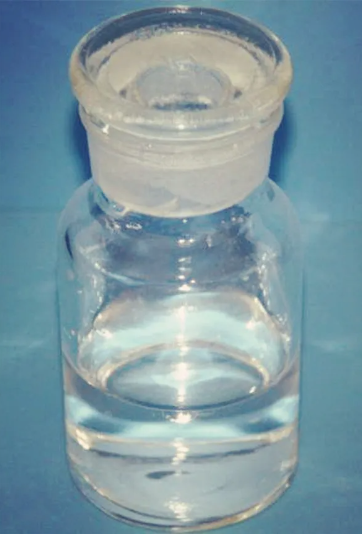
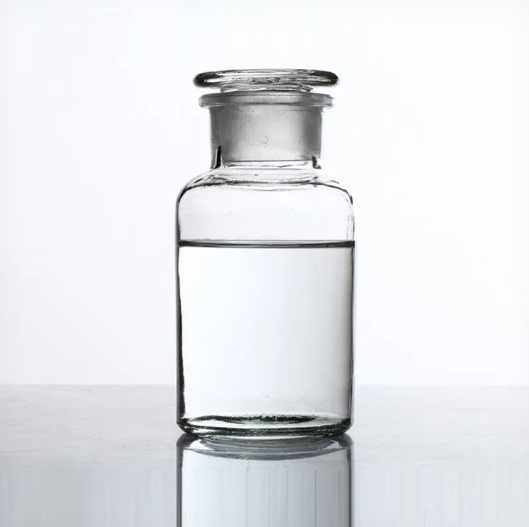
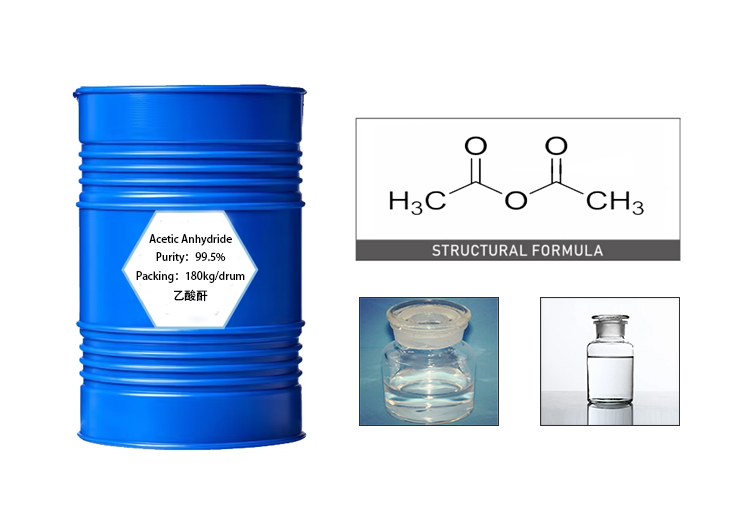
Acetic Anhydride, commonly known as vinegar anhydride, is a colorless transparent liquid with a strong pungent sour smell. Its chemical formula is C₄H₆O₃ and its molecular weight is 102.09. As one of the most important acylation reagents, acetic anhydride is an indispensable key intermediate in modern fine chemicals, medicine, materials and other fields. It is not only the core raw material for the production of cellulose acetate but also the basis for synthesizing many high-value-added chemicals.
Product Description
Anhui Eapearl Chemical Co., Ltd., as a professional chemical supplier in China, strictly complies with all national laws and regulations regarding the management of hazardous chemicals and controlled toxic chemicals. We are committed to providing our customers with high-quality, stable and reliable acetic anhydride products, emphasizing their core value as a key organic chemical raw material and an efficient acetylation reagent. At the same time, safety, compliance and greenness are placed at the top of our operational priorities.
Product Introduction
The core value of acetic anhydride lies in its highly reactive acetyl group (-COCH₃), which makes it an efficient and economical acetylation agent.
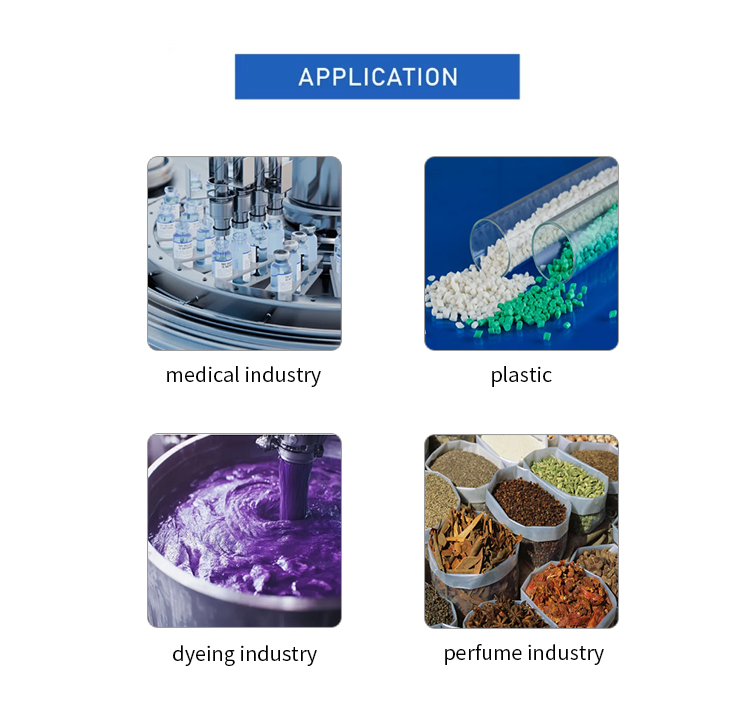
Production of cellulose acetate (the largest application field in the traditional sense):
Cigarette filter: Cellulose triacetate (CTA) is the main material for manufacturing cigarette filters.
High-end materials: Cellulose diacetate (TAC) is used in the production of polarizing film for liquid crystal displays (LCD), advanced photosensitive films, textile fibers, and special plastics. In 2025, this field consumed approximately 709,000 tons of acetic anhydride, accounting for 42% of the total consumption.
Synthesis of pharmaceutical and pesticide intermediates (the fastest-growing field):
Key drug synthesis: It is an indispensable acetylation reagent for synthesizing aspirin (acetylsalicylic acid), acetaminophen (paracetamol), various antibiotics (such as penicillin, cephalosporins), vitamins, and sulfonamide drugs.
Industry drive: Benefiting from population aging, the domestication of generic drugs, and increased investment in innovative drugs, the pharmaceutical sector has a strong demand for high-purity acetic anhydride. In 2025, the consumption of pharmaceutical-grade acetic anhydride in China reached 472,000 tons, accounting for 28% of the total consumption, with a market size of approximately 1.26 billion yuan.
Food industry:
Food additives: Used in the production of acetylated starch (such as E1414, E1420, E1422), as thickening agents for sauces, stabilizers for frozen foods, and texture modifiers for infant foods, etc.
Flavor and dye industry:
Flavor synthesis: Used to produce coumarins, acetate esters (such as acetophenyl acetate, aceto camphor ester), and other flavors.
Dye intermediates: Used as important intermediates for preparing dispersible dyes and reducing dyes.
Organic synthesis and fine chemicals:
General acetylation agents and dehydrating agents: Widely used in acetylation reactions of alcohols, phenols, amines, and in organic synthesis steps such as dehydration cyclization. Others: Used as solvents, rubber modifiers, and raw materials for the synthesis of certain special explosives (such as RDX).

Delivery&Payment method

Frequently asked
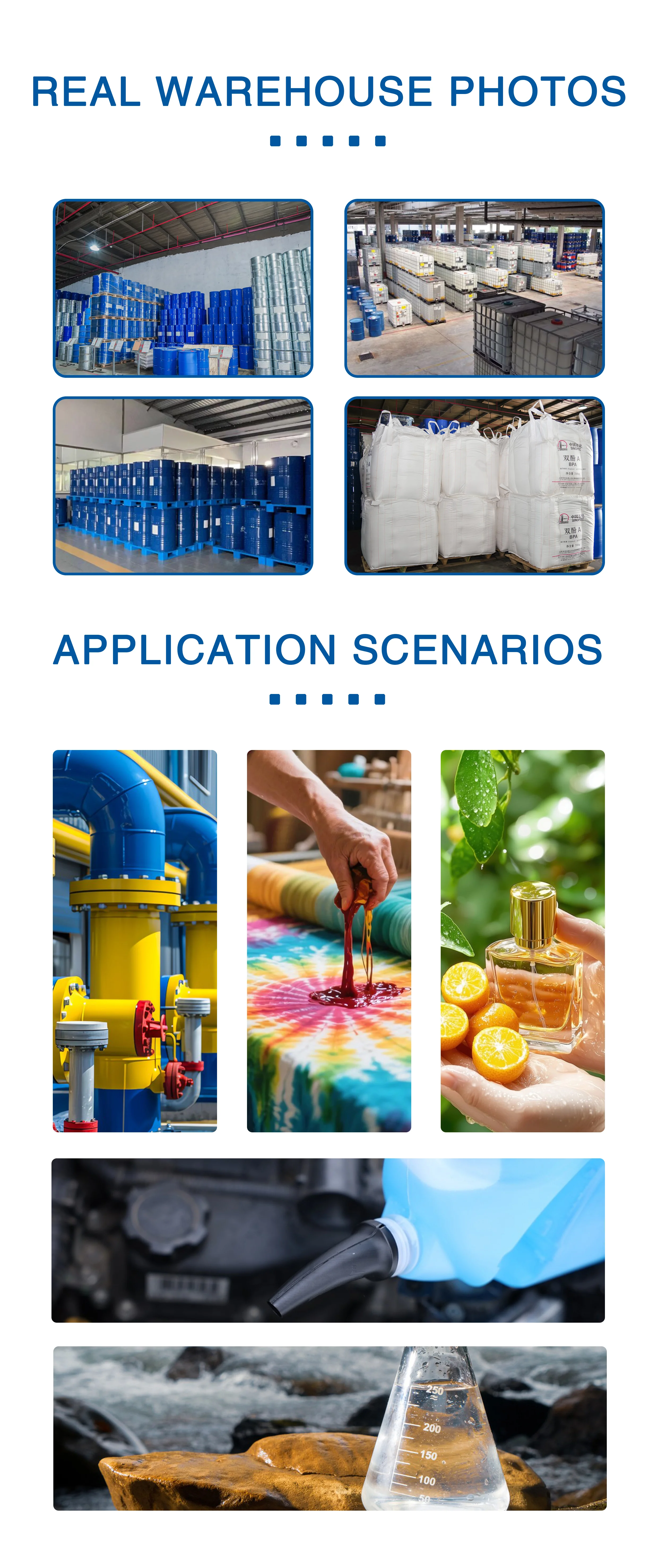
In what packaging is Acetic anhydride shipped?
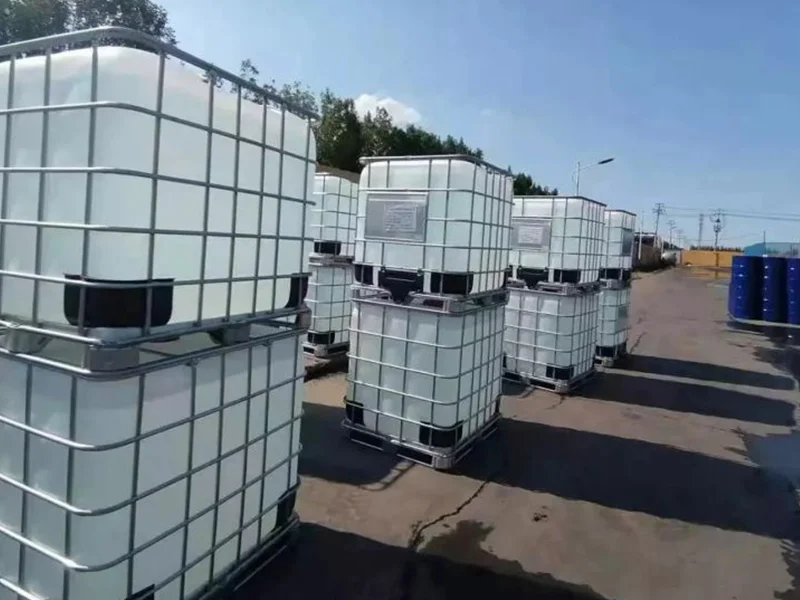
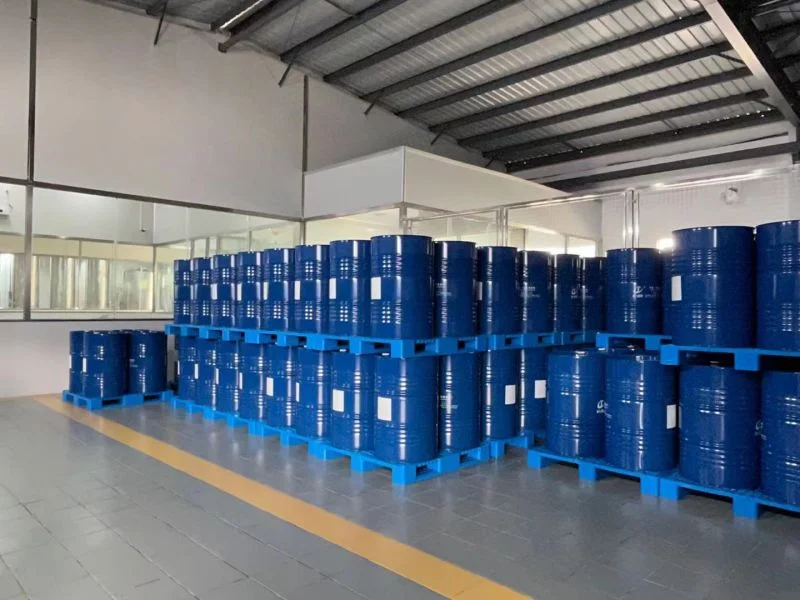
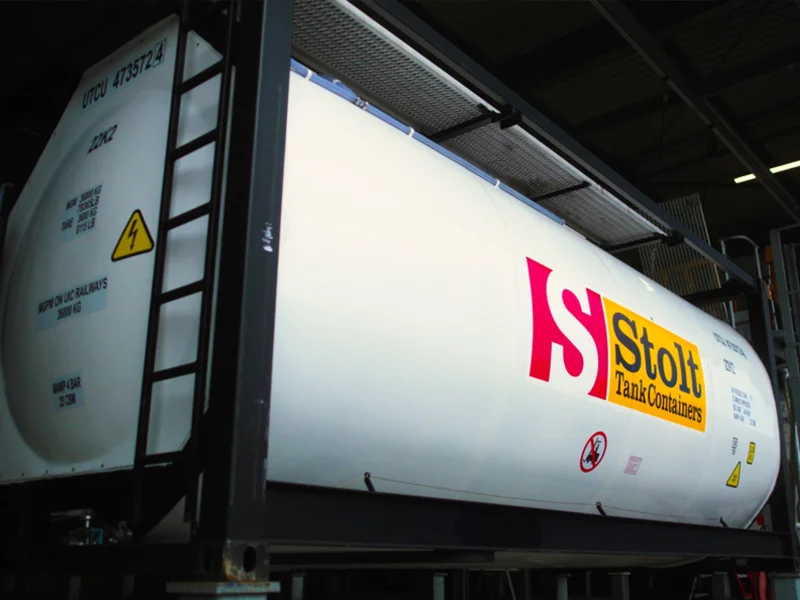
Standard formats are Drum (180 kg), IBC Drum (1127 kg), ISO tank (20ft) (24–26 m³), ISO tank (40ft) (48–50 m³). Other packaging can be arranged for full-container orders.
Is a safety data sheet available for Acetic anhydride?
Yes. A full safety data sheet for CAS 108-24-7 is published and linked from this page; a signed copy is issued with the shipping documents.
What purity do you supply?
The standard grade is 99.5%. Tighter specifications are confirmed against the production batch before shipment.